Blog

  • Optimizing Distribution with Logistics Robots: The Role of Robotics

    Optimizing Distribution with Logistics Robots: The Role of Robotics

    The world of logistics and distribution has undergone a remarkable transformation in recent years, thanks to the advent of robotics and automation. Logistics robots have become instrumental in streamlining operations, enhancing efficiency, and revolutionizing the way products move through supply chains. In this comprehensive article, we will explore the pivotal role that robotics plays in optimizing distribution, from warehouse management to last-mile delivery, and how logistics robots are shaping the future of the industry.

    Understanding Logistics Robots

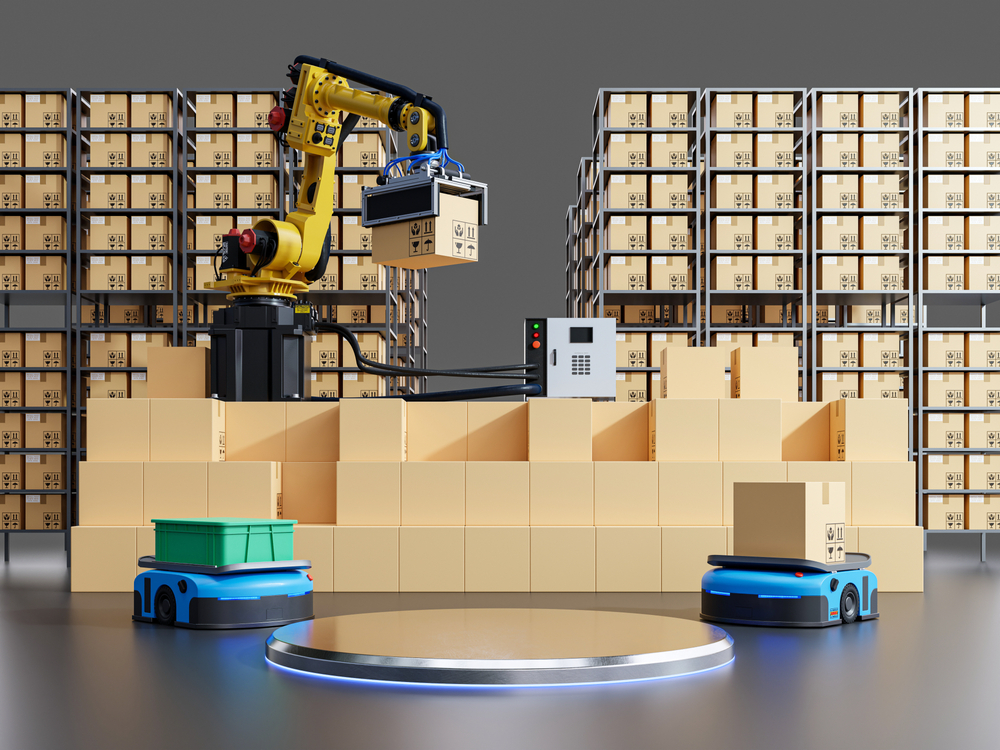
    logistics robots

    Logistic robots encompass a wide range of automated machines and systems designed to perform tasks related to the movement, handling, and tracking of goods within the logistics and supply chain ecosystem. These robots are equipped with cutting-edge technologies, including artificial intelligence (AI) and machine learning (ML), that enable them to execute complex tasks with precision and efficiency.

    The deployment of logistic robots is seen as a response to the growing demands of the industry, such as increased e-commerce orders, the need for rapid and accurate deliveries, and the ongoing pursuit of cost reduction and operational efficiency. By integrating these advanced machines, companies can address these challenges and ensure the seamless flow of goods from manufacturer to consumer.

    The Role of Logistics Robots in Warehouse Management

    Inventory Management

    One of the primary functions of logistics robots in warehouse management is inventory control. Accurate and real-time tracking of inventory levels is crucial to ensure timely replenishment and efficient order fulfillment. Logistic robots equipped with sensors and RFID technology can navigate the warehouse, conduct regular stock counts, and provide up-to-the-minute data on inventory levels. This not only reduces the risk of overstocking or stockouts but also enables better decision-making for restocking and order processing.

    Order Picking and Packing
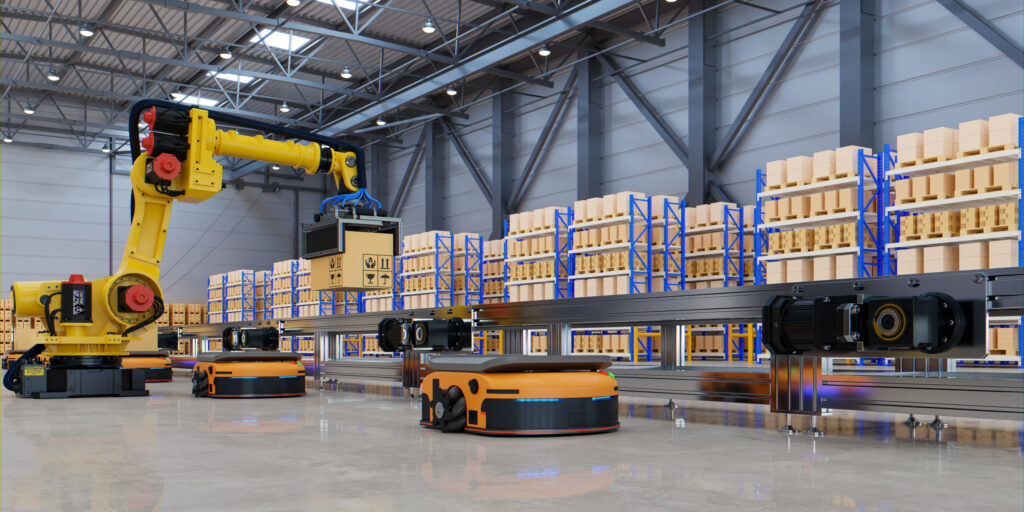
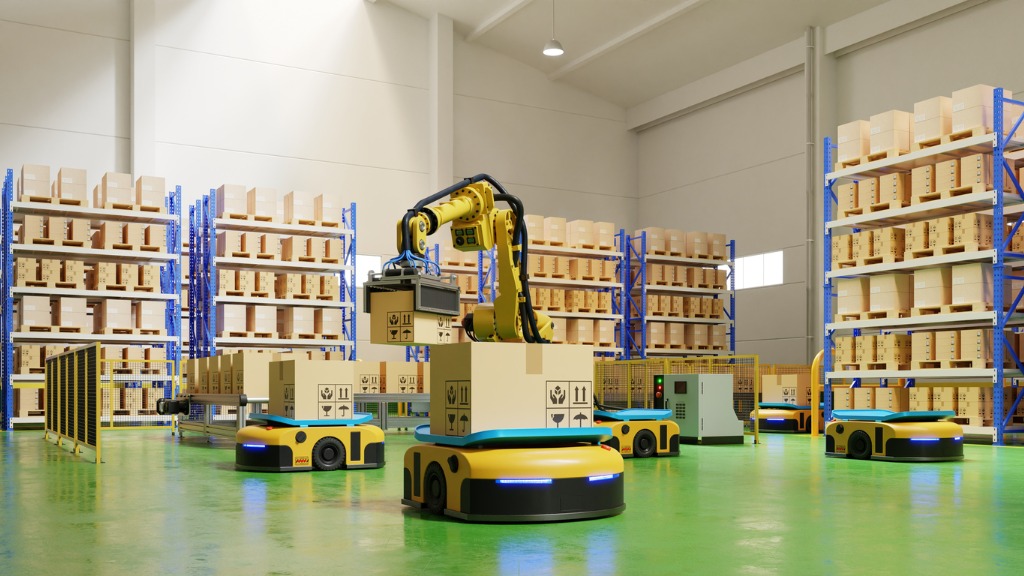
    Logistic robots
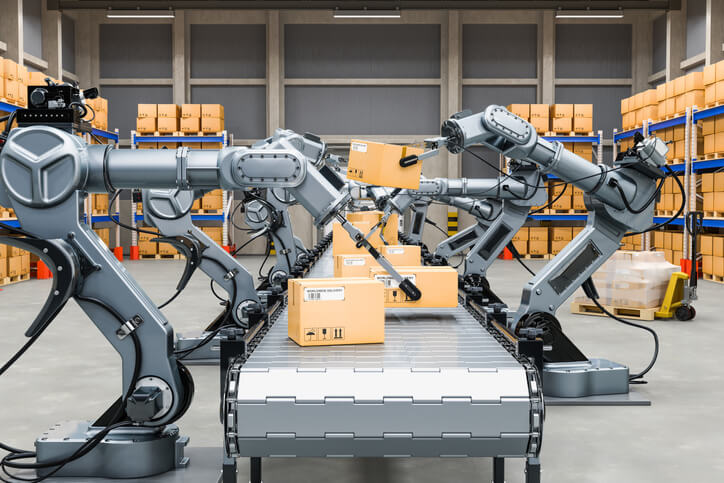
    Factory automation with automated guided vehicles and robotic arms in transportation will increase transport with safety. 3D rendering

    Logistic robots are highly efficient at order picking and packing, a task that traditionally requires substantial human labor. Advanced robotic systems employ AI and ML algorithms to optimize the order-picking process. These robots can identify the most efficient routes through the warehouse, minimize travel time, and ensure that the correct items are picked and packed accurately. This results in faster order processing, reduced errors, and improved customer satisfaction.

    Load Transportation

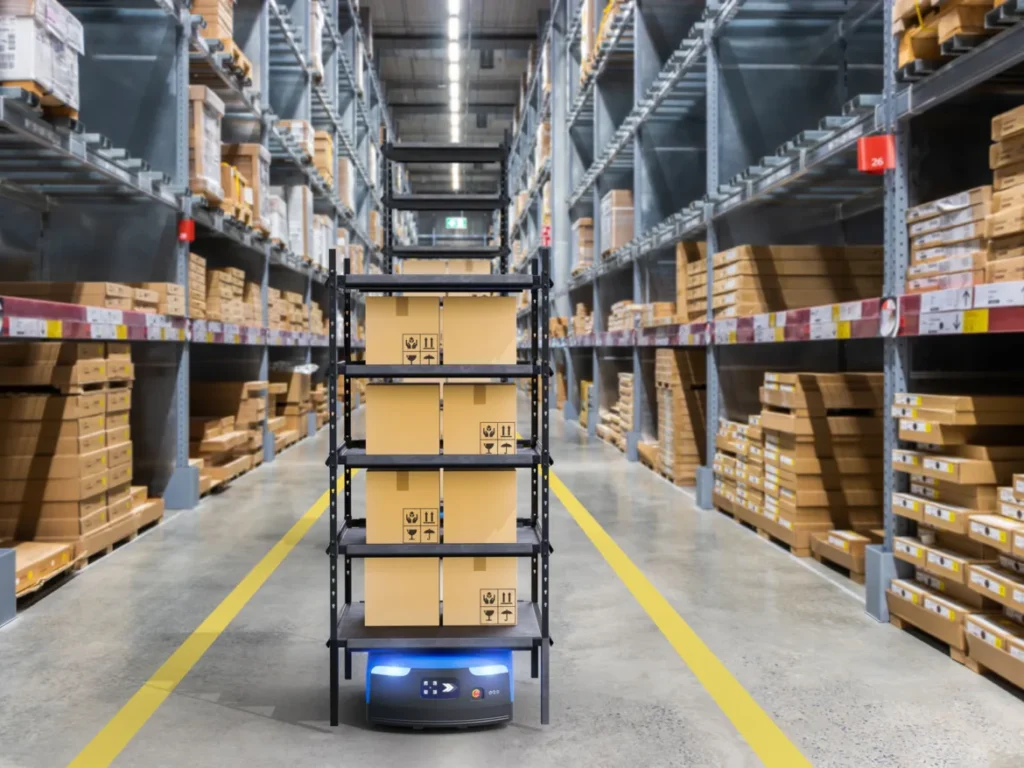
    The movement of heavy loads within a warehouse is strenuous and can pose safety risks for human workers. Logistic robots, however, are designed to handle these tasks with ease. Autonomous mobile robots (AMRs) equipped with load-carrying capabilities can transport pallets, containers, and goods from one location to another, reducing the physical strain on workers and allowing them to focus on more complex tasks. This not only enhances warehouse safety but also improves productivity.

    Autonomous Shelf Replenishment

    Maintaining organized and accessible shelves is vital for efficient warehouse management. Logistic robots are programmed to autonomously replenish shelves with products as they are depleted. They can identify empty spaces on shelves and refill them with the appropriate items. This real-time replenishment ensures that products are readily available for order fulfillment and minimizes delays caused by manual restocking processes.

    The Impact of Logistics Robots on Distribution Centers

    Improved Speed and Efficiency

    Distribution centers are the heart of supply chain operations, and logistic robots play a pivotal role in ensuring the efficient movement of goods. Robots are capable of working 24/7 without fatigue, resulting in a significant increase in the speed and efficiency of distribution center operations. They can handle tasks such as unloading trucks, sorting products, and preparing orders with unparalleled speed and precision.

    Space Optimization

    Logistic robots can optimize the use of space within distribution centers. They are designed to navigate in confined spaces and can efficiently stack and retrieve products from shelves. This ability to make the most of available storage space is invaluable in densely packed distribution centers, reducing the need for expansion and leading to cost savings.

    Streamlined Cross-Docking

    Cross-docking is a logistics strategy where products are transferred directly from inbound to outbound trucks with minimal storage time. Logistic robots can facilitate this process by quickly unloading incoming shipments and routing products to the appropriate outbound trucks. This accelerates the distribution process, reduces storage costs, and minimizes the risk of product damage.

    Enhanced Traceability

    Traceability is a critical aspect of distribution, especially when dealing with perishable or high-value goods. Logistic robots equipped with tracking technology and sensors can provide end-to-end visibility throughout the distribution process. They can record information about the condition and location of products, ensuring that any issues or discrepancies can be quickly identified and addressed.

    The Role of Logistics Robots in Last-Mile Delivery
    Logistics robots

    Autonomous Delivery Vehicles

    Logistics robots extend their influence to the last mile of delivery through autonomous delivery vehicles. These vehicles are equipped with advanced AI systems that allow them to navigate urban environments, avoid obstacles, and make autonomous deliveries. The use of autonomous vehicles in the last mile not only reduces delivery costs but also contributes to the reduction of greenhouse gas emissions by optimizing delivery routes and schedules.

    Parcel Sorting

    Parcel sorting centers play a crucial role in the last-mile delivery process. Logistic robots can efficiently sort parcels based on their size, weight, and destination. The automation of this task ensures that parcels are directed to the correct delivery routes, minimizing errors and delays. Customers receive their orders faster, leading to higher satisfaction levels.

    Drone Deliveries

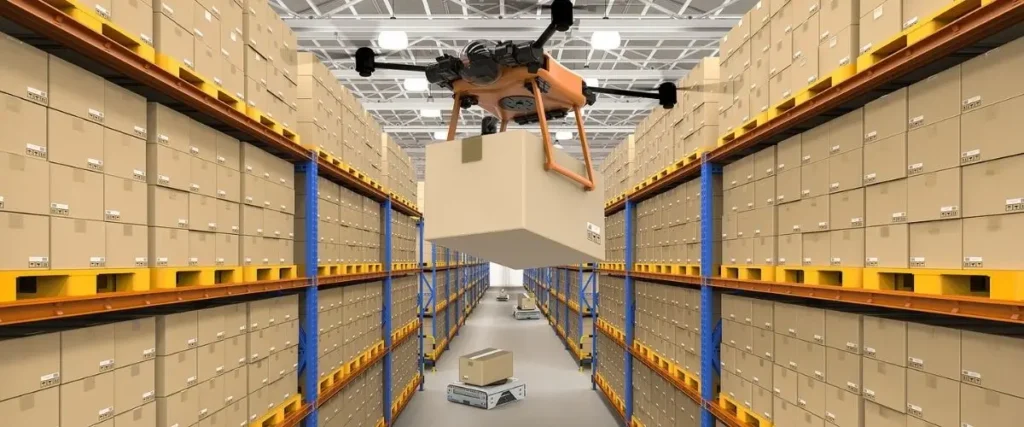
    The integration of logistic robots and drones has brought about a new era in last-mile delivery. Drones are capable of delivering packages to remote or hard-to-reach areas quickly. They are particularly useful in emergencies or for delivering medical supplies. The combination of logistics robots and drones expands the reach of last-mile delivery services and improves their responsiveness.

    Challenges and Considerations in Implementing Logistics Robots

    While logistic robots offer numerous advantages, their implementation is not without challenges and considerations. Companies need to address the following aspects to ensure the successful integration of logistics robots into their operations:

    1. Initial Investment: Acquiring and deploying logistics robots can involve a significant upfront investment. Companies must carefully assess the costs and benefits to justify this investment.
    2. Integration with Existing Systems: Compatibility with existing warehouse management systems (WMS) and enterprise resource planning (ERP) systems is crucial for a seamless integration of logistics robots. Ensuring that these systems can communicate effectively with the robots is essential.
    3. Workforce Training: Training employees to work alongside logistics robots is vital. Workers should be prepared to collaborate with robots and understand their roles in the evolving logistics landscape.
    4. Maintenance and Support: Logistics robots require regular maintenance to ensure their optimal performance. Companies need to have maintenance and support plans in place to minimize downtime and disruptions.
    5. Data Security: The use of AI and ML in logistics robots generates substantial data. Protecting this data from security breaches and ensuring compliance with data protection regulations is a significant concern.
    6. Ethical and Regulatory Considerations: Companies must navigate ethical issues surrounding the use of automation, such as the potential impact on human jobs and safety. Additionally, they should stay informed about evolving regulations related to robotics and automation in the logistics sector.

    The Future of Logistics Robots

    The future of logistic robots is promising, with continuous advancements in technology and increased adoption across industries. Here are some key trends and developments that will shape the future of logistics robots:

    1. Human-Robot Collaboration: Logistic robots will increasingly collaborate with human workers, working side by side to enhance productivity. Humans will focus on tasks that require creativity, problem-solving, and decision-making, while robots handle repetitive and physically demanding work.
    2. Artificial Intelligence and Machine Learning: Logistic robots will become more intelligent, leveraging AI and ML to improve their ability to navigate complex environments, adapt to changing circumstances, and make real-time decisions.
    3. Enhanced Mobility: Future logistic robots will have improved mobility, enabling them to navigate a wide range of terrains, including outdoor environments. This will expand their applicability in various logistics and delivery scenarios.
    4. Customization and Scalability: Logistic robots will be more customizable and scalable, allowing companies to adapt and expand their robotic fleets to meet specific operational needs.
    5. Sustainability: The integration of logistics robots in delivery and distribution will contribute to sustainability efforts by optimizing delivery routes and reducing emissions. This aligns with the growing emphasis on eco-friendly logistics practices.

    Conclusion

    Logistics robots are a transformative force in the world of distribution and supply chain management. Their role in warehouse management, distribution centers, and last-mile delivery is reshaping the industry by improving efficiency, reducing costs, and enhancing customer satisfaction. As logistic robots continue to evolve and integrate advanced technologies, they will play a pivotal role in the future of logistics and distribution, contributing to a more efficient, sustainable, and connected global supply chain network.

    The optimization of distribution with logistic robots is not just a choice but a necessity for companies looking to stay competitive and meet the ever-increasing demands of the modern consumer. The ability to adapt and embrace these advanced technologies will determine the success of businesses in the logistics industry and beyond. Logistic robots are more than just machines; they are the architects of a smarter, more efficient, and agile supply chain ecosystem.
  • Warehouse Automation vs. Logistics Automation: What’s the Difference?

    Warehouse Automation vs. Logistics Automation: What’s the Difference?

    In today’s fast-paced world, the demand for efficient and streamlined supply chain management has never been greater. Two key terms that often come up in discussions about optimizing the movement of goods are “warehouse automation” and “Logistics Automation.” While these terms may sound similar, they refer to distinct aspects of the supply chain. Understanding the differences between warehouse automation and logistics automation is essential for businesses looking to improve their operations and stay competitive in the modern marketplace.

    Warehouse Automation: Streamlining Operations in the Four Walls

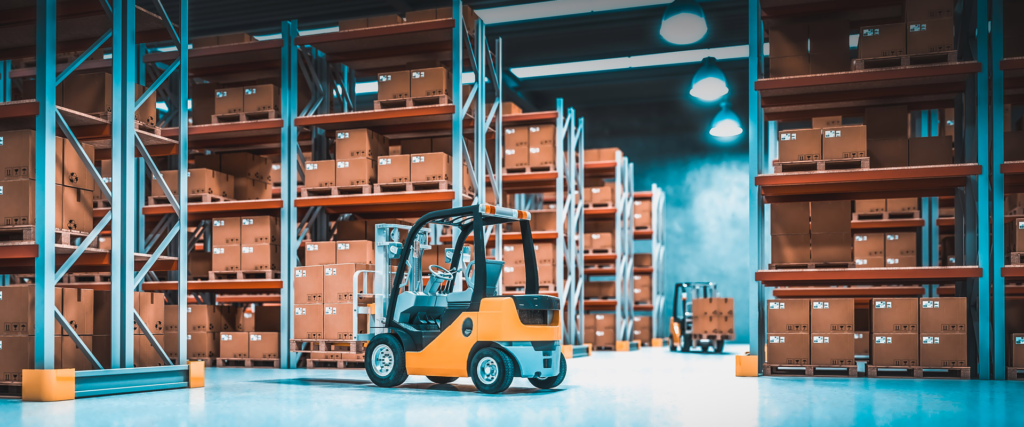
    Warehouse automation focuses on the automation of processes within the physical confines of a warehouse or distribution center. This includes everything from receiving goods, storing them, and then picking, packing, and shipping them to customers. Warehouse automation solutions are designed to optimize and simplify these internal operations, leading to increased efficiency, accuracy, and cost savings.

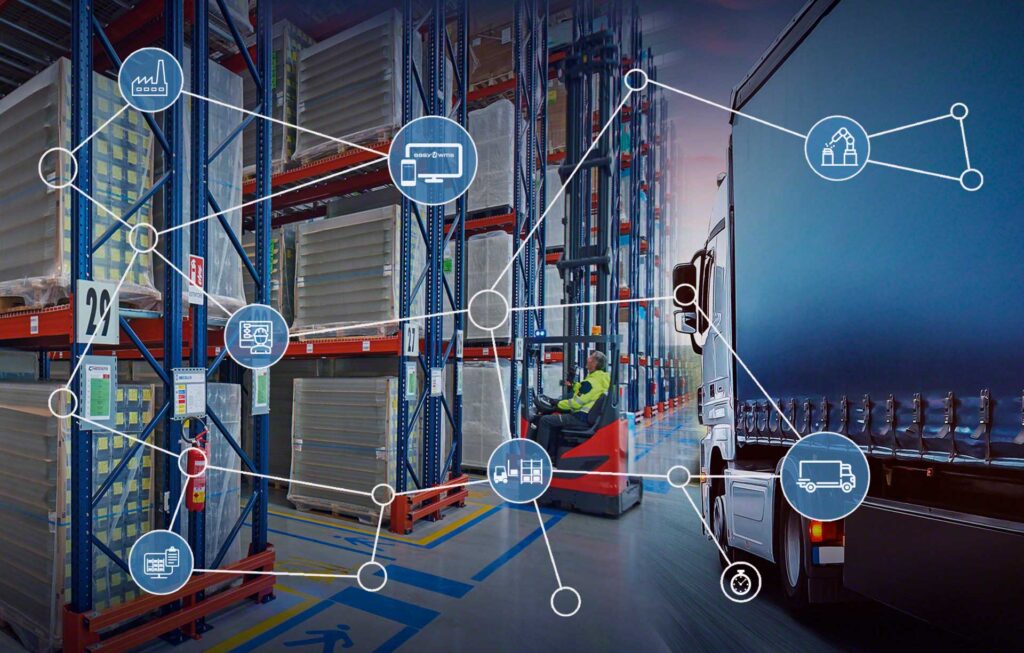
    Warehouse Automation
    1349338733

    Key Components of Warehouse Automation:

    1. Automated Storage and Retrieval Systems (AS/RS): AS/RS systems use robots and conveyors to automatically store and retrieve items, reducing the need for human intervention and minimizing the risk of errors.
    2. Pick and Pack Systems: Automation is applied to the process of selecting products from inventory and packing them for shipment, leading to faster and more accurate order fulfillment.
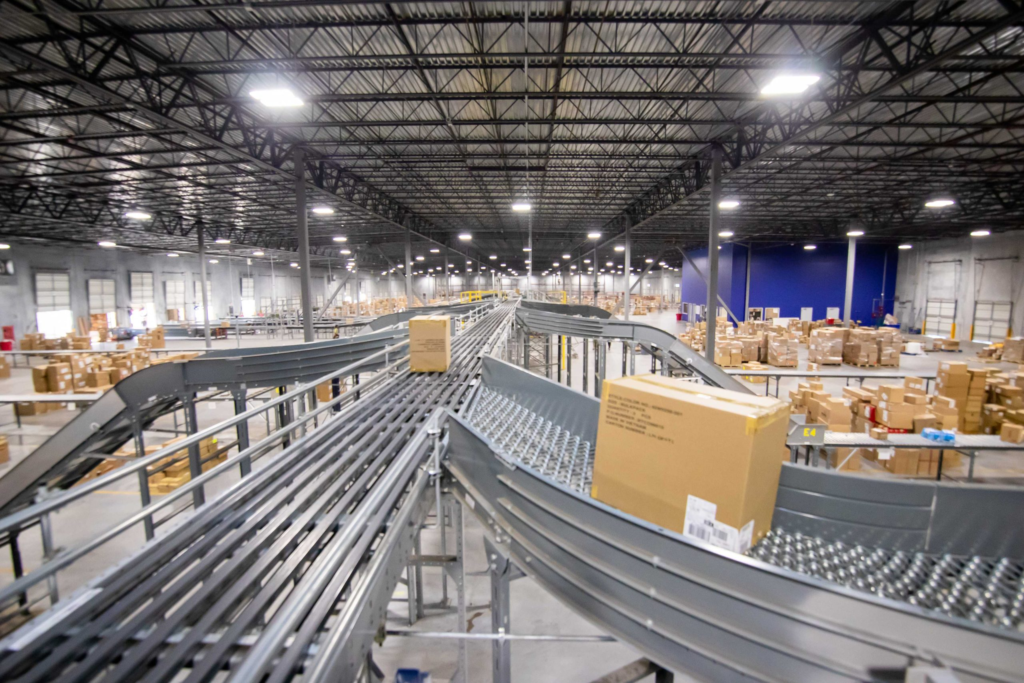
    3. Conveyor Systems: Conveyor belts are used to transport goods efficiently within the warehouse, reducing manual handling and speeding up processes.
    4. Robotic Systems: Autonomous robots, guided by AI and sensors, can navigate the warehouse to perform tasks such as inventory counting, restocking, and order picking.
    5. Automated Guided Vehicles (AGVs): AGVs are mobile robots used for material transport, helping to move products between different parts of the warehouse.
    6. Barcode and RFID Systems: These technologies are crucial for tracking and managing inventory, ensuring accurate stock levels, and improving order accuracy.

    Advantages of Warehouse Automation:

    • Improved Efficiency: Warehouse automation reduces the need for manual labor, which can be slow and error-prone. This results in faster order processing and reduced labor costs.
    • Enhanced Accuracy: Automated systems are highly precise, minimizing the risk of errors in order picking, packing, and inventory management.
    • Optimized Space Utilization: AS/RS systems, for instance, can maximize vertical space in the warehouse, allowing for more products to be stored in a smaller footprint.
    • Reduced Operational Costs: Automation can lead to savings on labor, space, and energy costs, contributing to a more cost-effective warehouse operation.
    • Scalability: Automation systems can be scaled up or down to match the needs of the business, making it easier to adapt to changing market conditions.

    While warehouse automation primarily focuses on processes within the physical warehouse, logistics automation takes a broader view, encompassing the entire supply chain from end to end.

    Logistics Automation: Coordinating the Supply Chain

    Logistics automation, on the other hand, encompasses a wider range of processes, including those that occur outside the walls of a warehouse or distribution center. It is about orchestrating and optimizing the flow of goods from the manufacturer to the end customer, involving various modes of transportation, inventory management, demand forecasting, and more.

    Warehouse Automation

    Key Components of Logistics Automation:

    1. Transportation Management Systems (TMS): TMS software helps manage the movement of goods from point A to point B, optimizing routes, reducing transportation costs, and ensuring timely deliveries.
    2. Inventory Management Systems: These systems monitor and control inventory levels, ensuring that products are available when needed without excessive stockpiling.
    3. Demand Forecasting: Accurate demand forecasting helps businesses anticipate customer needs and adjust their supply chain accordingly, reducing the risk of overstock or stockouts.
    4. Order Management Systems (OMS): OMS solutions track and manage orders from the moment they are placed until they are delivered, ensuring seamless order processing and customer satisfaction.
    5. Warehouse Management Systems (WMS): WMS software bridges the gap between warehouse operations and logistics, facilitating real-time coordination between the two.
    6. Track and Trace Technologies: Technologies like GPS and RFID allow for real-time tracking of shipments, improving visibility and transparency throughout the supply chain.

    Advantages of Logistics Automation:

    • Enhanced Visibility: Logistics automation provides real-time visibility into the entire supply chain, allowing businesses to make informed decisions and respond to issues promptly.
    • Reduced Transportation Costs: Optimized routes and efficient transportation management result in lower shipping costs and faster deliveries.
    • Inventory Optimization: Automated inventory management ensures that products are available when needed, reducing carrying costs and preventing stockouts.
    • Improved Customer Satisfaction: seamless order processing, accurate delivery estimates, and proactive issue resolution all contribute to higher customer satisfaction levels.
    • Adaptability: Logistics automation allows businesses to adapt to changing market conditions and customer preferences more effectively.

    Overlap and Synergy

    While warehouse automation and logistics automation have distinct focuses, they are not mutually exclusive. In fact, they often complement each other, creating a synergy that results in a highly efficient and responsive supply chain.

    Warehouse Automation

    1. Warehouse Management System (WMS): WMS software is a prime example of a technology that bridges the gap between warehouse automation and logistics automation. It allows for real-time communication and coordination between the warehouse and the broader supply chain. For instance, if a logistics hiccup causes a delay in the arrival of goods, the WMS can adjust warehouse priorities to ensure that critical orders are still processed on time.

    2. Robotics and AGVs: Autonomous robots and AGVs used in warehouse automation can seamlessly integrate into logistics automation by handling the movement of goods within the warehouse and helping with transportation to and from the warehouse.

    3. Data Integration: Both warehouse and logistics automation generate a wealth of data that can be analyzed and used to improve operations. Data analytics and reporting tools can provide insights into performance, helping businesses make informed decisions and optimize their supply chain further.

    Challenges in Implementing Automation

    Implementing warehouse and logistics automation is not without its challenges. While the benefits are substantial, it’s essential to be aware of potential roadblocks and address them effectively.

    1. High Initial Costs: Automation systems can be expensive to implement, requiring a significant upfront investment in technology and infrastructure. However, these costs should be weighed against the long-term benefits and cost savings.

    2. Integration Complexity: Integrating different automation systems and ensuring they work seamlessly together can be a complex task. It often requires expertise in both automation technologies and supply chain management.

    3. Workforce Transition: Transitioning from a manual labor-intensive operation to automation may require retraining or reassigning existing employees, and it can be met with resistance from the workforce.

    4. Scalability: Ensuring that automation systems can scale to accommodate growth or seasonal fluctuations in demand is a critical consideration. Scalability requires careful planning to avoid bottlenecks or underutilization of resources.

    5. Technological Obsolescence: As technology evolves rapidly, the risk of automation systems becoming outdated is a concern. It’s essential to choose systems that can adapt and evolve with the business.

    Warehouse Automation vs. Logistics Automation: Making the Choice

    When deciding between warehouse automation and logistics automation, it’s crucial to consider the specific needs and challenges of your business. In some cases, it may be beneficial to prioritize one type of automation over the other, but often a combination of both will yield the best results.

    Warehouse Automation

    When to Prioritize Warehouse Automation:

    • If your business primarily deals with the efficient storage, picking, packing, and shipping of products from a centralized location,
    • Order accuracy, speed, and labor cost reduction are top priorities.
    • If you have a high volume of repetitive tasks that can be automated within the four walls of your warehouse,

    To prioritize logistics automation:

    • If your supply chain involves multiple locations, transportation, and complex coordination between them.
    • Demand forecasting, route optimization, and transportation cost reduction are critical factors.
    • If you need end-to-end visibility and control over your entire supply chain, from manufacturing to the customer’s doorstep.

    The Ideal Scenario: A Holistic Approach

    In many cases, the ideal scenario involves adopting both warehouse and logistics automation in a coordinated and holistic manner. By doing so, businesses can achieve seamless end-to-end automation that optimizes the entire supply chain, from raw materials to final delivery. This approach can enhance operational efficiency, reduce costs, improve customer satisfaction, and create a more agile and adaptable business.

    For example, a clothing retailer with both physical stores and an online presence may benefit from warehouse automation to efficiently manage inventory and fulfill online orders, while also leveraging logistics automation to optimize transportation routes and coordinate the delivery of products to various locations.

    Conclusion

    In conclusion, while the terms “warehouse automation” and “logistics automation” may sound similar, they represent different facets of supply chain management. Warehouse automation focuses on streamlining processes within a physical warehouse, improving internal operations, and reducing manual labor. Logistics automation, on the other hand, takes a broader view of the entire supply chain, encompassing transportation, inventory management, demand forecasting, and more.

    Both forms of automation offer significant advantages, and they are not mutually exclusive. In fact, they often work together to create a more efficient and responsive supply chain. When choosing between warehouse and logistics automation, businesses should consider their specific needs, challenges, and long-term goals, but in many cases, a combination of both is the key to success in today’s competitive marketplace. With careful planning, implementation, and ongoing optimization, businesses can harness the power of automation to stay ahead of the curve and meet the evolving demands of their customers.

  • Unlocking the Power of Integrated Logistics: Advantages, strategies and Execution

    Unlocking the Power of Integrated Logistics: Advantages, strategies and Execution

    In today’s fast-paced and highly competitive business environment, effective supply chain management has become a critical success factor for companies looking to stay ahead of the curve. Integrated logistics is a strategic approach that plays a pivotal role in optimizing the supply chain, reducing costs, enhancing efficiency, and ensuring a seamless flow of goods and information. In this comprehensive blog post, we will delve into the world of integrated logistics, exploring its benefits, key strategies, and how to effectively implement this approach to maximize your business’s potential.

    What is Integrated Logistics?

    integrated logistics

    Integrated logistics, also known as integrated supply chain management, is a holistic approach that combines various elements of the supply chain into a well-coordinated and synchronized system. The primary goal is to streamline the entire process, from the procurement of raw materials to the delivery of finished products to customers. Integrated logistics involves the management of transportation, warehousing, inventory, and information flow, all under one cohesive strategy.

    Key Elements of Integrated Logistics

    1. Transportation Management: Efficiently managing the movement of goods through various transportation modes, including trucks, ships, planes, and railways.
    2. Warehousing and Inventory Control: Optimizing warehouse operations and maintaining the right levels of inventory to ensure timely product availability.
    3. Information Technology: Utilizing advanced technology, such as supply chain management software and data analytics, to enhance visibility and control.
    4. Supplier and Vendor Management: Developing strong relationships with suppliers and vendors to improve lead times and reduce costs.
    5. Customer Service and Order Fulfillment: Ensuring excellent customer service and timely order fulfillment to meet customer demands.

    Benefits of Integrated Logistics

    Integrated logistics offers numerous advantages for businesses of all sizes and industries. Here are some of the key benefits:

    1. Cost Reduction: Streamlining operations, reducing inefficiencies, and optimizing transportation and inventory can lead to significant cost savings.
    2. Improved Efficiency: The synchronized approach ensures that resources are utilized efficiently, resulting in quicker lead times and enhanced service quality.
    3. Enhanced Customer Satisfaction: Meeting customer demands in a timely manner, thanks to improved order fulfillment, can lead to higher customer satisfaction and loyalty.
    4. Better Decision-Making: Access to real-time data and analytics helps in making informed decisions, adapting to market changes, and mitigating risks.
    5. Competitive Advantage: It can provide a competitive edge by allowing businesses to adapt quickly to market changes and deliver goods more efficiently than competitors.

    Strategies for Implementing Integrated Logistics

    Implementing integrated logistics can be a complex endeavor, but with the right strategies, it is attainable for businesses in various industries. Here are some key strategies for successful implementation:

    integrated logistics

    Develop a Comprehensive Plan

    A well-thought-out plan is essential for implementing integrated logistics successfully. Start by defining your objectives, understanding your current supply chain processes, and identifying areas that need improvement. This plan should consider factors like cost reduction, improved service levels, and agility in responding to market changes.

    Invest in Technology

    Information technology plays a vital role in integrating logistics. Invest in supply chain management software and systems that offer real-time visibility, data analytics, and automation capabilities. These tools will help you monitor and manage your supply chain more effectively.

    Collaboration and Communication

    Effective collaboration between various departments and stakeholders is crucial for integrating logistics. Ensure that teams responsible for procurement, production, warehousing, and transportation are in sync. Use clear communication channels to share information and coordinate activities.

    Supplier and Vendor Management

    Strengthen relationships with suppliers and vendors. Implement just-in-time (JIT) inventory practices to reduce inventory holding costs and improve lead times. Engage in open communication to understand their capabilities and limitations.

    Continuous Improvement

    Integrating logistics is an ongoing process. Regularly evaluate your supply chain operations, identify areas for improvement, and implement changes accordingly. Continuous improvement is a fundamental aspect of maintaining competitiveness.

    Employee Training

    Properly train your employees in the principles and practices of integrating logistics. Knowledgeable and skilled employees can make a significant difference in the success of your implementation.

    The Implementation Process

    Implementing and integrating logistics requires careful planning and execution. Here’s a step-by-step guide to help you navigate the implementation process:

    integrated logistics

    Assess Your Current Supply Chain

    Start by conducting a thorough assessment of your current supply chain operations. Identify bottlenecks, inefficiencies, and areas where integration can make a difference.

    Set Clear Objectives

    Define specific and measurable objectives for your integrating logistics implementation. These objectives could include reducing transportation costs by a certain percentage, improving order fulfillment times, or enhancing overall supply chain visibility.

    Choose the Right Technology

    Invest in the appropriate technology and software solutions that align with your objectives. Ensure that the chosen tools offer the features necessary for seamless integration.

    Build Cross-Functional Teams

    Form cross-functional teams that bring together employees from different departments involved in the supply chain. These teams should collaborate on implementing and integrating logistics strategies.

    Create a Timeline

    Develop a realistic timeline for the implementation process. Set milestones and deadlines to track progress effectively.

    Test and Optimize

    Before fully deploying integrating logistics, conduct pilot tests to identify any issues or areas that need improvement. Optimize the process based on the feedback and data collected during the testing phase.

    Monitor and Measure

    Once integrating logistics is in full operation, closely monitor key performance indicators (KPIs) to ensure that the objectives are being met. Continuously measure and assess the impact on your supply chain’s efficiency and cost-effectiveness.

    Adapt and Evolve

    In the ever-changing business environment, flexibility is crucial. Be prepared to adapt your integrating logistics strategies and processes to meet new challenges and opportunities as they arise.

    Overcoming Challenges

    While integrated logistics offers numerous advantages, it’s not without its challenges. Here are some common obstacles and how to overcome them:

    Resistance to Change

    Employees and stakeholders may resist the changes brought about by integrated logistics. To overcome this challenge, provide training, communicate the benefits, and involve key personnel in the decision-making process.

    Information Sharing

    In some cases, sharing sensitive supply chain information with partners can be a concern. Implement data security measures and confidentiality agreements to address these concerns.

    Technology Integration

    Integrating various technology systems can be complex. Seek expert assistance when necessary, and ensure that the selected technologies are compatible.

    Cost

    Implementing integrating logistics may require initial investment, but the long-term benefits often outweigh the costs. Carefully calculate the return on investment to justify the expenses.

    As the business landscape continues to evolve, integrated logistics will also adapt to new trends and technologies. Here are some future trends to keep an eye on:

    integrated logistics system

    Artificial Intelligence (AI) and Machine Learning

    AI and machine learning will play a more significant role in predictive analytics, helping businesses forecast demand, optimize routes, and make data-driven decisions.

    Sustainability

    Sustainability will be a growing concern, with integrated logistics aiming to reduce the environmental impact through eco-friendly transportation and warehousing solutions.

    Blockchain

    Blockchain technology will enhance supply chain transparency and security, reducing the risk of fraud and improving trust among partners.

    E-commerce Integration

    The integration of e-commerce into traditional supply chain operations will continue to evolve, requiring seamless coordination between online and offline sales channels.

    3D Printing

    3D printing may disrupt traditional manufacturing and distribution methods, necessitating adjustments in supply chain strategies.

    Conclusion

    Integrated logistics is a powerful approach that can transform your supply chain, leading to cost savings, improved efficiency, and increased customer satisfaction. By implementing the right strategies and technology, you can successfully integrate your logistics operations and stay competitive in an ever-changing business landscape.

    Whether you’re a retailer like Walmart or a fashion brand like Zara, the principles of integrated logistics are applicable across industries. As you plan your integrated logistics journey, remember that it’s an ongoing process that requires continuous improvement and adaptation to remain competitive and meet the evolving demands of your customers and the market. Embrace this holistic approach, and you’ll be well on your way to reaping the benefits of integrated logistics in your business.

  • How To Reduce Shipping Costs

    How To Reduce Shipping Costs

    Introduction

    Shipping costs are a significant concern for businesses of all sizes, from small e-commerce startups to large multinational corporations. High shipping costs can eat into your profit margins and make your products less competitive in the market. Therefore, finding ways to reduce shipping costs is essential for businesses looking to improve their bottom line. In this comprehensive guide, we’ll explore the best tips and strategies to help you minimize shipping costs and boost your business’s profitability. Whether you’re shipping locally or internationally, these tips will be invaluable in helping you manage your shipping expenses effectively.

    shipping costs

    Discuss Some Tips To Reduce Shipping Costs

    Optimize Packaging

    One of the most straightforward yet often overlooked ways to reduce shipping costs is to optimize your packaging. Oversized and inefficient packaging not only leads to higher shipping fees but can also result in damaged goods during transit. Here’s how you can optimize your packaging:

    Right-sized packaging: Use packaging that fits your products snugly, minimizing unused space. This can help reduce dimensional weight charges, which are based on the package size, not just weight.

    Use lightweight materials: Choose packaging materials that are strong but lightweight, reducing the overall weight of your shipment.

    Minimize void fill: Avoid excessive padding or void fill materials. They add weight and volume to your packages, increasing shipping costs.

    Invest in custom packaging: Tailor your packaging to your product’s specific dimensions to ensure the perfect fit.

    Negotiate with Carriers

    Many businesses underestimate the power of negotiation when it comes to shipping costs. Establishing a good working relationship with your shipping carriers and negotiating your shipping rates can lead to significant savings. Consider these negotiation tips:

    Regularly review contracts: Don’t assume that your existing shipping contract is the best you can get. Periodically review your contract terms and rates, and be prepared to negotiate for better terms.

    Leverage competition: Shop around and gather quotes from multiple carriers. Use these quotes as leverage during negotiations with your current carrier.

    Offer volume commitments: If you can commit to a certain volume of shipments, carriers may be willing to offer you better rates.

    Consider long-term agreements: Some carriers may provide better rates if you sign long-term agreements, which can be beneficial if you have a consistent shipping volume.

    Embrace Technology

    Advancements in technology have made it easier for businesses to optimize their shipping operations and reduce costs. Utilize shipping and logistics software to streamline your shipping processes and save money.

    Shipping software: Invest in shipping management software that can help you compare rates, print shipping labels, and track shipments efficiently.

    Address validation tools: Implement address validation tools to reduce shipping errors and costly returns due to incorrect addresses.

    Route optimization: Use route optimization software to plan the most cost-effective delivery routes and reduce fuel costs.

    Take Advantage of Shipping Discounts

    shipping costs

    Shipping carriers often offer discounts to businesses that qualify for specific programs or meet certain criteria. Here are some ways to take advantage of shipping discounts:

    Small business programs: Many carriers have programs tailored to small businesses, offering discounted rates and services.

    Membership organizations: Join industry or trade organizations that negotiate group discounts on behalf of their members.

    Customer loyalty programs: Some carriers provide loyalty programs that reward regular customers with shipping discounts, so be sure to enroll if offered.

    E-commerce platform partnerships: If you operate an online store, your e-commerce platform may have partnerships with carriers that offer discounted shipping rates.

    Minimize Returns

    Returns can be a significant cost for e-commerce businesses. By taking steps to reduce the number of returns, you can lower your overall shipping costs. Here’s how to do it:

    Provide detailed product information: Ensure that your product listings are accurate and comprehensive to set realistic customer expectations.

    High-quality product images: Display high-quality images that accurately represent the product to minimize the chances of returns due to appearance discrepancies.

    Clear return policies: Clearly communicate your return policies to customers to set expectations and reduce the likelihood of “buyer’s remorse” returns.

    Quality control: Implement stringent quality control measures to minimize the shipment of damaged or defective products.

    Implement Inventory Management

    shipping costs

    Efficient inventory management can help reduce shipping costs in various ways:

    Just-in-time inventory: Implement a just-in-time inventory system to reduce storage costs and minimize the need for oversized shipments.

    Cross-docking: Use cross-docking to streamline the transfer of goods from receiving to outbound shipping without the need for long-term storage.

    Stock strategically: Stock your products closer to your customers, using multiple distribution centers or 3PL (third-party logistics) providers to minimize shipping distances.

    Consider Shipping Consolidation

    Consolidating your shipments can be an effective way to reduce shipping costs. This method involves combining multiple smaller shipments into a single larger one, reducing the cost per unit. Here’s how to make shipping consolidation work for your business:

    Group orders: Encourage customers to place group orders or buy in bulk, reducing the number of smaller shipments.

    Combine shipments: If you’re sending multiple packages to the same location, consolidate them into one shipment to save on shipping costs.

    Partner with other businesses: Collaborate with other businesses in your area to share shipping costs and benefit from economies of scale.

    Opt for Economy Shipping Services

    shipping costs

    Many shipping carriers offer economy or ground shipping services that are often more cost-effective than express or expedited options. While these services may take longer, they can result in significant savings, especially for less time-sensitive shipments. Evaluate your shipping needs and consider using economy services for appropriate shipments to reduce shipping costs.

    Minimize Dimensional Weight Charges

    Dimensional weight, also known as volumetric weight, is a pricing technique used by carriers to account for the amount of space a package occupies in relation to its actual weight. To reduce dimensional weight charges, take the following steps:

    Efficient packaging: As mentioned earlier, optimize your packaging to reduce unused space.

    Use smaller boxes: Choose smaller boxes whenever possible, as they result in lower dimensional weight charges.

    Review carrier policies: Stay informed about carrier policies on dimensional weight and adjust your packaging accordingly.

    Offer Shipping Incentives to Customers

    Incentivizing your customers to choose cost-effective shipping options can be a win-win. By offering incentives like free or discounted shipping for slower delivery methods, you can encourage customers to opt for cheaper shipping options, reducing your overall shipping costs.

    Free shipping threshold: Set a minimum order amount that qualifies for free or discounted shipping, encouraging customers to spend more.

    Loyalty program perks: Provide loyal customers with exclusive shipping discounts or faster shipping options in exchange for their continued business.

    Promotional offers: Run limited-time promotions where customers can enjoy reduced or free shipping for specific product categories or order amounts.

    Conclusion

    Reducing shipping costs is a critical aspect of maintaining a profitable business, and there are numerous strategies to help you achieve this goal. By optimizing your packaging, negotiating with carriers, embracing technology, and taking advantage of discounts and incentives, you can significantly lower your shipping expenses. Remember that it’s not just about cutting costs; it’s about finding a balance between cost savings and customer satisfaction. By implementing these best practices, you can make your shipping operations more efficient and cost-effective while continuing to deliver excellent service to your customers.

    In the competitive world of business, every penny saved on shipping costs counts. Implementing these tips will not only reduce your expenses but also enhance your overall operational efficiency. So, start working on these strategies today and watch your business thrive as you effectively reduce shipping costs, making a positive impact on your bottom line.

  • Ultimate Shipment Guide: Types, Challenges & Future

    Ultimate Shipment Guide: Types, Challenges & Future

    Shipping, often referred to as “shipment,” stands as an essential pillar of the global economy. It’s the uncelebrated yet indispensable force that makes it possible for products to traverse the vast distances between manufacturers and consumers, for businesses to expand their reach, and for trade to flourish. In this comprehensive guide, we embark on an extensive journey into the world of shipments. We will also delve into other crucial aspects, uncovering the diverse types of shipments, the formidable challenges confronting the industry, and the exciting future trends that are reshaping how goods are transported, delivered, and received.

    Introduction

    In the global tapestry of commerce, shipping, or as we commonly call it, “shipment,” threads its way through every corner. Whether it’s a small package arriving at your doorstep from an online order or a colossal cargo vessel crossing vast oceans laden with goods, shipping is a ubiquitous part of our daily lives. This article aims to be your ultimate guide to the world of shipping, a multifaceted realm where different types of shipping coexist, where formidable challenges are met with innovative solutions, and where future trends are leading the way to a more efficient and sustainable shipment landscape.

    Unpacking the Varied Types of Shipments

    Shipping is not a one-size-fits-all endeavor. It comprises a multitude of forms and structures, each tailored to specific needs and requirements. Let’s embark on a journey to explore the primary types of shipments:

    shipment
    • Parcel Shipping: This is everyday shipping that includes packages sent by mail or courier services. They vary in size, ranging from small envelopes to larger boxes, and are widely used for e-commerce deliveries.
    • Freight Shipping: Freight shipping involves the transportation of larger and heavier goods, often requiring diverse modes of transport, such as trucks, trains, or ships.
    • Air Cargo Shipping: When speed is of the essence, air cargo shipping is the preferred choice. They are crucial for transporting perishable goods and high-value items.
    • Ocean Freight Shipping: In the realm of international trade, ocean freight shipments are a cornerstone. Shipping often entails vast quantities of goods transported within standardized containers.
    • Intermodal Shipping: Intermodal shipping seamlessly integrates different modes of transport, starting on a truck, moving to a train, and then transitioning to a ship, ensuring efficient long-distance transportation.
    • Specialized Shipping: Some goods require special handling due to their nature, such as the transportation of hazardous materials, fragile items, or oversized equipment.

    While shipping plays a crucial role in global trade and logistics, it is not without its challenges. Understanding these challenges is essential for finding efficient and effective solutions. Here are some of the key challenges confronting the modern shipping industry:

    shipment
    • Logistical Complexity: The global supply chain is intricate, with multiple parties involved, various modes of transport, and complex regulatory requirements. Coordinating these elements efficiently is an ongoing challenge.
    • Supply Chain Disruptions: Natural disasters, geopolitical events, and pandemics can disrupt supply chains, leading to delays and increased costs. Resilience and adaptability are crucial.
    • Environmental Impact: The shipping industry contributes to greenhouse gas emissions. Efforts are underway to reduce its environmental footprint by adopting cleaner energy sources and improving fuel efficiency.
    • Last-Mile Delivery: The final leg of shipping, from a local distribution center to the customer’s door, poses unique challenges, especially in densely populated urban areas. Innovations in last-mile delivery are key to efficiency.
    • Security and Fraud: Ensuring the safety and security of shipping is a constant battle against theft, fraud, and cybersecurity threats. Technology is increasingly employed to mitigate these risks.

    The shipment industry is undergoing rapid transformation, driven by technological advancements, evolving consumer expectations, and heightened environmental concerns. Here are some of the future trends that are reshaping the industry:

    shipment
    • Automation and Robotics: Automation, including the use of drones and autonomous vehicles, is revolutionizing shipping processes, reducing labor costs, and enhancing efficiency.
    • Sustainability and Green Shipping: The industry is actively working to reduce its environmental impact. Initiatives include adopting cleaner fuels, enhancing fuel efficiency, and improving waste management practices.
    • Blockchain Technology: Blockchain is gaining prominence in the industry by enhancing transparency and security in supply chain management, reducing fraud, and improving traceability.
    • Data Analytics: Advanced analytics are proving to be instrumental in optimizing routes, improving inventory management, and enhancing overall efficiency.
    • E-commerce Growth: The rise of online shopping is significantly altering the landscape, leading to increased demand for fast, reliable, and efficient shipping services.

    Ensuring a Sustainable Shipment Ecosystem

    As we move forward, sustainability is increasingly becoming a focal point in the shipping industry. Mitigating the environmental impact of shipping is essential. Here are several steps being taken to ensure a sustainable shipment ecosystem:

    • Alternative Fuels: The industry is exploring and adopting cleaner fuels, such as liquefied natural gas (LNG), hydrogen, and biofuels, to reduce emissions and dependence on fossil fuels.
    • Electric Vehicles: The use of electric vehicles in last-mile delivery is becoming more prevalent, significantly reducing emissions in urban areas.
    • Carbon Offsetting: Some companies are investing in carbon offset programs, including reforestation projects, to balance out their carbon emissions.
    • Improved Packaging: Sustainable packaging materials and practices, such as minimizing waste and using recyclable materials, are being adopted to reduce the environmental footprint of shipping.

    Conclusion

    Shipping, or the art of getting goods from one place to another, is the invisible hand that shapes our world. Whether it’s the letter arriving in your mailbox, the package on your doorstep, or the containers on a cargo ship crossing the sea, shipments are integral to our lives. Understanding the diverse types of shipping, recognizing the formidable challenges the industry faces, and embracing the promising future trends are all keys to navigating this ever-evolving landscape.

    As we move forward, it is imperative that we prioritize sustainability and efficiency in the shipping industry. Whether it’s adopting cleaner fuels, exploring new technologies, or improving packaging practices, the path to a more sustainable shipping ecosystem is clear.

    In conclusion, shipping is not merely a process but a dynamic industry that touches every aspect of our lives. With the world evolving and consumers demanding more from their shipments, the future of shipping holds exciting possibilities for us all. Whether it’s parcel shipments, intermodal solutions, or the adoption of cleaner technologies, the world of shipping is constantly innovating and adapting to meet the demands of a changing world.

  • How can I choose the size of Packing Boxes for my shipment

    How can I choose the size of Packing Boxes for my shipment

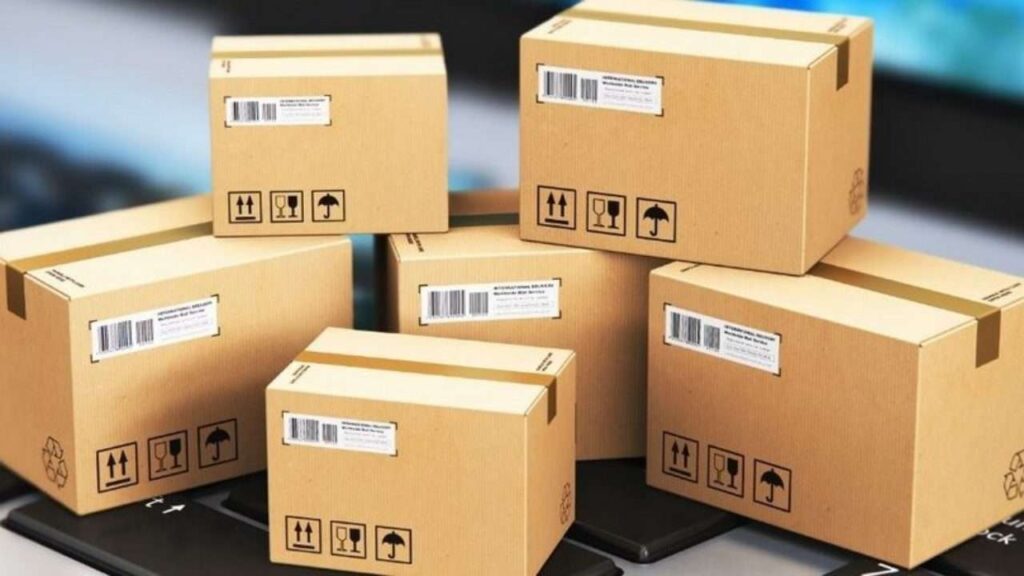
    In our interconnected world, the art of choosing and packing boxes has evolved into a vital skill for individuals and businesses alike. Whether you are sending packages to friends and family or managing a large-scale e-commerce operation, the process of selecting the right boxes and packing them efficiently can save you both time and money while ensuring your shipments reach their destinations intact. This comprehensive guide will take you through the key principles of mastering this art, from selecting the ideal packing boxes to perfecting the techniques of efficient packing.

    Introduction

    Shipping items safely and cost-effectively is an integral part of modern life. The choice of packing boxes and how they are filled with items can significantly affect the cost, environmental impact, and condition of your goods upon arrival. In this article, we will delve into the art of choosing and packing boxes to protect your shipments and maximize efficiency.

    Choosing the Right Packing Boxes

    Selecting the perfect packing boxes is the first step in the process. It’s essential to choose the right type, size, and quality of boxes for your specific needs.

    packing boxes

    Types of Packing Boxes

    Corrugated Cardboard Boxes: These are the most common choice for packing due to their durability and versatility. They come in various types, including single-wall and double-wall, each offering a different level of protection.

    Plastic Containers: Reusable and sturdy, plastic containers are suitable for specific packing needs. They are often used for items that require extra protection from moisture or rough handling.

    Wooden Crates: Ideal for heavy, fragile, or valuable items. Wooden crates provide excellent protection but can be expensive and less environmentally friendly.

    Padded Envelopes: Suitable for small, flat items like documents or photographs. They provide some protection but are not ideal for fragile or bulky goods.

    Choosing the Right Size

    Selecting the right-size packing box is crucial. An oversized box wastes space and materials, while an undersized box may not provide sufficient protection. Consider the following factors:

    The Size of Your Items: Ensure the shipment boxes are large enough to comfortably accommodate your items, with some extra room for padding and protection.

    Weight Capacity: Check the weight capacity of the box to ensure it can handle the weight of your items without collapsing.

    Dimensional Weight: In some shipping services, charges are based on dimensional weight, so choosing the right size box can save you money.

    Box Quality

    The quality of your packing boxes can make or break your packing experience. Here’s what to consider:

    Single-Wall vs. Double-Wall: Single-wall boxes are lighter and suitable for lighter items, while double-wall boxes offer extra protection for heavier or fragile goods.

    Recycled vs. New Boxes: Using recycled boxes is eco-friendly, but make sure they are in good condition to provide adequate protection.

    Custom Boxes: In some cases, custom boxes may be necessary to ensure a perfect fit for your items.

    Efficient Packing Techniques

    After selecting the appropriate packing boxes, the next step is to pack them efficiently to minimize damage during transit, reduce costs, and contribute to sustainability.

    shipment boxes

    Gather Packing Supplies

    Before you start packing, gather the necessary supplies:

    • Packing Materials: These include bubble wrap, packing paper, foam inserts, packing peanuts, and other cushioning materials.
    • Tape: High-quality packing tape is essential to secure the boxes.
    • Box Cutters: These will help you open and resize boxes as needed.
    • Labels and Markers: Clearly label your boxes to make them easily identifiable.

    Properly Prepare Your Items

    Prepare your items before placing them in the packing boxes:

    • Clean and Dry: Ensure items are clean and dry to prevent moisture damage during transit.
    • Disassemble if Necessary: Disassemble items like furniture or electronics for more efficient packing.
    • Wrap Fragile Items: Wrap fragile items in protective materials like bubble wrap or packing paper.

    Efficient Packing Techniques

    The way you pack your items can make a significant difference in terms of protection and space utilization:

    • Layering: Start with a layer of cushioning material at the bottom of the box. Place heavier items at the bottom and lighter items on top.
    • Fill Empty Spaces: Use packing peanuts or air cushions to fill any gaps to prevent items from shifting during transit.
    • Distribute Weight Evenly: Make sure the weight is evenly distributed in the box to prevent it from tipping over.
    • Labeling: Clearly label each box with its contents and any handling instructions.

    Sealing the Box

    Properly sealing your packing boxes is crucial to their safety during transit:

    • Use Reinforced Tape: Use high-quality packing tape to securely seal the box. Reinforce the seams and corners.
    • Double-Boxing: For particularly fragile items, consider double-boxing for an extra layer of protection.
    • Labeling: Clearly label each box with the destination address, return address, and any special handling instructions.

    Environmental Considerations

    Mastering the art of choosing and packing packing boxes goes beyond the basics. It also involves making environmentally responsible choices.

    Sustainable Box Selection

    Consider the environmental impact of the boxes you choose:

    • Recycled Boxes: Opt for recycled boxes when possible, reducing the demand for new materials.
    • Biodegradable Packing Materials: Choose biodegradable packing materials or materials made from recycled sources.
    • Reuse and Recycle: Reuse boxes and materials when possible. Recycling old boxes is also an eco-friendly choice.

    Minimizing Packaging Waste

    Efficiency not only saves money but also reduces waste:

    • Right-Sized Boxes: Choosing the right-sized box reduces the need for excess packing materials.
    • Cut Down on Fillers: Minimize the use of packing peanuts and other fillers by packing items more securely.
    • Minimalist Packaging: Consider minimalist packaging for eco-conscious consumers, reducing the use of excess materials.

    Sustainable Shipping Options

    Explore environmentally friendly shipping options:

    • Eco-Friendly Carriers: Some shipping companies are committed to sustainable practices, so consider partnering with them.
    • Carbon Offsetting: Some carriers offer carbon offset programs to minimize the carbon footprint of your shipments.

    Cost-Effective Shipping

    Choosing and packing the ideal packing boxes should not only protect your items but also save you money in the process.

    shipment boxes

    Right-Sized Boxes

    Selecting the right-sized boxes can reduce shipping costs:

    • Dimensional Weight: Smaller boxes may incur lower dimensional weight charges, saving you money.
    • Reduced Packaging Materials: Smaller boxes require fewer packing materials, further lowering costs.

    Efficient Use of Materials

    Efficiency in packing materials can lead to significant cost savings:

    • Bulk Buying: Purchase packing materials in bulk to get discounts and reduce per-box costs.
    • Reusing Materials: Reusing boxes and packing materials from previous shipments can save you money.

    Shipping Rates and Discounts

    Explore shipping rates and discounts:

    • Comparison Shopping: Compare shipping rates from different carriers to find the most cost-effective option.
    • Business Discounts: If you’re a business owner, inquire about business shipping discounts with your preferred carrier.
    • Flat-Rate Boxes: Some carriers offer flat-rate boxes for specific items, which can be cost-effective for heavier shipments.

    Safety and Security

    Protecting your items during transit is of utmost importance. Here are some key considerations to ensure the safety and security of your shipments:

    Insurance

    Consider purchasing shipping insurance to protect your items in case of damage or loss during transit. Insurance provides peace of mind and financial protection.

    Tracking and Monitoring

    Choose carriers that offer tracking services so you can monitor the progress of your shipment. This enables you to react quickly if there are any issues during transit.

    Fragile Items

    For fragile items, take extra precautions:

    • Double-Boxing: As mentioned earlier, double-boxing provides an additional layer of protection.
    • Fragile Stickers: Use “fragile” stickers to alert carriers to the delicate nature of the contents.
    • Padding and Cushioning: Ensure fragile items are well-padded and cushioned to absorb shocks during transit.

    International Shipping

    If you’re shipping items internationally, there are additional considerations to keep in mind:

    Customs Documentation

    Properly prepare and attach all necessary customs documentation, including invoices and declarations. Accurate paperwork is essential for a smooth customs clearance process.

    Import Regulations

    Familiarize yourself with the import regulations of the destination country. Different countries may have specific rules and restrictions on certain items.

    Packaging for Long-Distance Travel

    International shipments often involve longer transit times, so make sure your items are well protected against the extended journey.

    Troubleshooting Common Issues

    Even with the best preparation, issues can still arise during shipping. Here are some common problems and how to address them:

    Damage During Transit

    If your items arrive damaged, document the damage with photos and contact the carrier immediately to file a claim. Insurance can help cover the cost of replacing damaged items.

    Lost Shipments

    If a shipment goes missing, contact the carrier to initiate a search. Having tracking information will be crucial in resolving the issue.

    Delayed Deliveries

    Delays can happen for various reasons. Stay in contact with the carrier and the recipient to keep them informed and address any concerns.

    Conclusion

    Mastering the art of choosing and packing the ideal packing boxes is a skill that can save you time, money, and the frustration of damaged or lost items. By selecting the right type and size of the box, efficiently packing your items, considering environmental sustainability, and exploring cost-effective options, you can ensure your shipments arrive safely and securely. Whether you’re a business owner shipping products or an individual moving to a new home, these principles will help you navigate the complex world of shipping with confidence and success. Make the art of choosing and packing boxes that work for you, ensuring your shipments reach their destinations in optimal condition.

  • A TO Z in logistics and supply chain management every eCommerce seller should know, before you sell online.

    A TO Z in logistics and supply chain management every eCommerce seller should know, before you sell online.

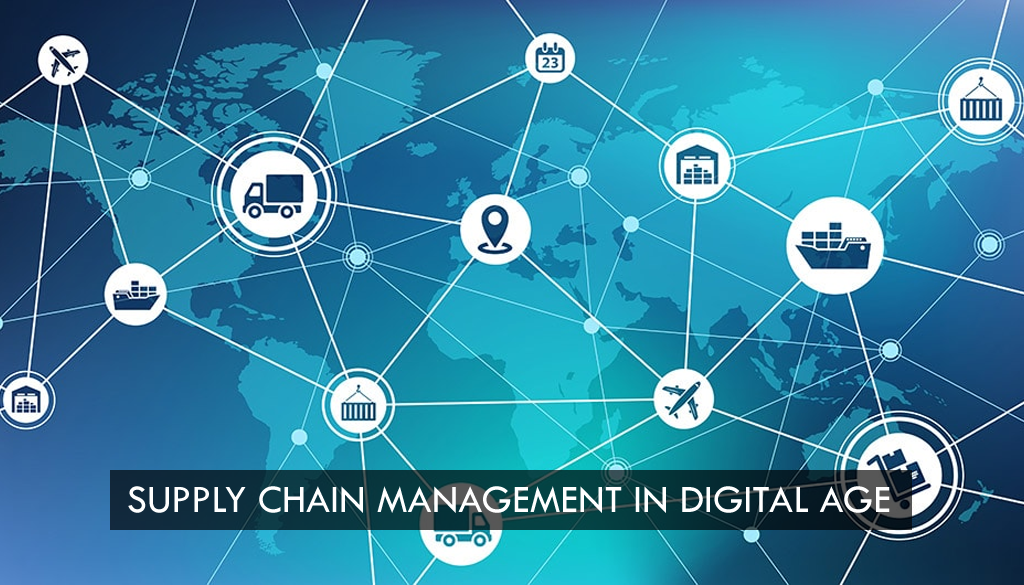
    In the ever-evolving landscape of business and commerce, Logistics and Supply Chain Management play a pivotal role in ensuring the efficient flow of goods and services from producers to consumers. As the world becomes increasingly interconnected and technology-driven, traditional practices in logistics and supply chain management are being revolutionized. The rise of Artificial Intelligence (AI) has brought about a paradigm shift in the way we send and receive parcels. In this comprehensive exploration, we will delve into the world of Logistics and Supply Chain Management, emphasizing the transformative impact of AI and its relevance, especially in the realm of supply chain management in e-commerce.

    The Basics: Logistics vs. Supply Chain Management

    Before we dive into the revolutionary influence of AI, it is essential to understand the fundamental concepts of logistics and supply chain management. Often used interchangeably, these terms have distinct roles within the realm of business operations.

    Logistics and Supply Chain Management

    Logistics:

    Logistics primarily deals with the planning, implementation, and control of the efficient flow and storage of goods, services, and information from the point of origin to the point of consumption. It encompasses a wide array of activities, including transportation, warehousing, inventory management, order fulfillment, and distribution. Logistics focuses on the physical movement and handling of goods, ensuring they reach their intended destinations in a cost-effective and timely manner.

    Supply Chain Management:

    Supply Chain Management (SCM) takes a more holistic approach by incorporating logistics within a broader framework. SCM involves the coordination and integration of various processes across the entire supply chain, which encompasses the entire network of organizations, activities, information, and resources involved in the production, distribution, and delivery of products or services to customers. SCM aims to optimize these processes, from sourcing raw materials to delivering the end product to the customer, while minimizing costs and enhancing efficiency.

    Understanding these distinctions is vital in appreciating how AI is transforming both logistics and supply chain management, with particular emphasis on the e-commerce sector.

    Supply Chain Management in E-Commerce: A Digital Revolution

    E-commerce has witnessed explosive growth in recent years, and this trajectory shows no signs of slowing down. As online retail becomes an integral part of our lives, supply chain management has become even more critical for ensuring that products reach customers seamlessly and promptly. Here, AI takes center stage in revolutionizing the e-commerce supply chain.

    supply chain management in e commerce

    Fulfillment Centers and Warehousing

    In traditional retail, physical stores serve as distribution points. However, e-commerce relies on fulfillment centers and warehousing to store, pick, pack, and ship products. AI plays a transformative role in these areas by enhancing automation and efficiency.

    1. Inventory Management: AI-powered algorithms predict demand, helping e-commerce businesses stock the right amount of inventory. This reduces carrying costs and minimizes stockouts, ensuring a seamless customer experience.

    2. Smart Warehouses: Warehouses equipped with AI-driven robotics and automation can optimize storage, pick items more efficiently, and reduce the chances of human error. This is particularly crucial in e-commerce, where a large number of SKUs need to be managed.

    3. Predictive Maintenance: AI can predict when equipment and machinery in fulfillment centers and warehouses are likely to fail, enabling proactive maintenance. This minimizes downtime and ensures continuous operations.

    Route Optimization

    In e-commerce logistics, route optimization is a critical factor. AI-based algorithms take into account factors such as traffic, weather, and package size to determine the most efficient routes for delivery. This not only reduces delivery times but also minimizes fuel consumption and environmental impact.

    Customer Experience

    AI enhances the customer experience in several ways within the e-commerce supply chain:

    1. Personalization: AI algorithms analyze customer data to provide personalized product recommendations and offers, increasing the likelihood of a purchase.

    2. Chatbots and Virtual Assistants: These AI-driven tools can provide real-time customer support, answer queries, and assist with order tracking.

    3. Last-Mile Delivery: AI can optimize the last mile of delivery, reducing delivery times and allowing customers to track the exact location of their parcels.

    The Difference Between Logistics and Supply Chain Management

    To clarify the difference between logistics and supply chain management in the context of AI, it’s important to recognize that while AI plays a pivotal role in both, its application and focus differ.

    difference between logistic and supply chain

    Logistics with AI:

    In logistics, AI is primarily employed to optimize transportation and warehouse operations. For example, AI-driven route planning and predictive maintenance can significantly reduce costs and enhance efficiency. AI’s role in logistics is often more operationally focused, aimed at improving specific aspects of the supply chain, such as reducing transit times and minimizing fuel consumption.

    Supply Chain Management with AI:

    Supply chain management, on the other hand, takes a broader view. AI is used to enhance visibility and coordination across the entire supply chain network. This includes demand forecasting, inventory optimization, supplier collaboration, and ensuring the seamless integration of various partners within the supply chain. In SCM, AI contributes to strategic decision-making and ensures that all components work harmoniously to meet customer demands efficiently.

    In essence, while logistics focuses on the tactical aspects of moving goods, supply chain management, with the help of AI, ensures the strategic alignment of all processes, from procurement to delivery.

    The Importance of Supply Chain Management

    Supply chain management, whether in traditional retail or e-commerce, is of paramount importance for several reasons:

    1. Cost Efficiency

    Effective supply chain management minimizes costs by optimizing processes, reducing waste, and improving resource allocation. AI-driven tools and analytics help identify cost-saving opportunities throughout the supply chain.

    2. Customer Satisfaction

    Customers today have high expectations when it comes to order fulfillment and delivery. Efficient supply chain management ensures that products are delivered on time, as promised, resulting in satisfied customers who are likely to return for future purchases.

    3. Competitive Advantage

    A well-managed supply chain can be a source of competitive advantage. E-commerce companies that can deliver products faster and at a lower cost than their competitors gain an edge in the market.

    4. Sustainability

    Sustainability is a growing concern, and supply chain management plays a crucial role in addressing it. AI can help optimize routes, reduce fuel consumption, and minimize waste, contributing to a more sustainable supply chain.

    5. Risk Mitigation

    Effective supply chain management allows businesses to anticipate and mitigate risks, such as disruptions in the supply chain due to natural disasters, political instability, or other unforeseen events.

    6. Adaptability

    In a rapidly changing business environment, the ability to adapt and respond to new challenges is essential. AI in supply chain management enables businesses to react quickly to changes in demand, supply, or market conditions.

    The New Era, How AI is Revolutionizing Logistics and Supply Chain Management: Challenges and Opportunities

    While AI offers immense potential for transforming logistics and supply chain management, it also presents challenges that need to be addressed. These include:

     important of supply chain management

    Data Quality and Integration

    AI algorithms rely on high-quality, integrated data. In many organizations, data is fragmented and of varying quality. Overcoming these data challenges is critical for AI’s success.

    Security and Privacy

    As AI systems handle sensitive customer and business data, ensuring security and privacy is paramount. Cybersecurity measures must be robust to protect against data breaches and other threats.

    Workforce Transformation

    AI will change the nature of work in logistics and supply chain management. While it can automate many routine tasks, it also requires a workforce skilled in managing and leveraging AI technology.

    Regulatory Compliance

    AI applications in supply chain management may need to adhere to various regulations, such as data protection laws, trade regulations, and environmental standards. Compliance is essential to avoid legal issues.

    Investment and Scalability

    AI implementation requires a significant upfront investment. Companies must carefully assess the potential return on investment and scalability of AI solutions.

    Despite these challenges, the opportunities presented by AI in logistics and supply chain management are too significant to ignore. As businesses increasingly recognize the transformative potential of AI, investment in research and development will likely accelerate, making AI-driven supply chains the new standard.

    Conclusion

    The world of Logistics and Supply Chain Management is experiencing a revolution fueled by Artificial Intelligence. This transformation is particularly profound in the e-commerce sector, where the demands of customers and the complexities of modern logistics converge. With AI’s application in fulfillment centers, route optimization, customer experience, and more, e-commerce businesses can operate with greater efficiency, cost-effectiveness, and customer satisfaction.

    Furthermore, it’s essential to understand the difference between logistics and supply chain management, especially in the context of AI. Logistics focuses on optimizing transportation and warehousing, while supply chain management takes a more comprehensive approach, integrating various processes and partners within the supply chain network.

    The importance of supply chain management cannot be overstated. It directly affects cost efficiency, customer satisfaction, competitive advantage, sustainability, risk mitigation, and adaptability. AI plays a pivotal role in addressing these aspects, making supply chain management a strategic asset for businesses.

    The AI revolution in logistics and supply chain management presents both challenges and opportunities. Data quality, security, workforce transformation, regulatory compliance, and investment are among the challenges to be addressed. However, the potential for cost savings, operational efficiency, and customer satisfaction make the adoption of AI in supply chain management an imperative for businesses looking to thrive in the digital age.