Author: shipeasytech

  • Casinò Online 2026: 6 Segnali di Rischio da Valutare Prima di Iscriversi

    Nel 2026 il tema casino bonus benvenuto senza deposito richiede sempre più vigilanza da parte di chi valuta le offerte accessibili in Italia. La interfaccia moderna o un bonus molto elevato non sono sufficienti per decidere se un sito sia davvero sicuro. È più sensato analizzare chi controlla il sito, quale concessione possiede e quali condizioni applica a accrediti, prelievi e prodotti. Un riscontro preventivo può evitare molti inconvenienti prima della registrazione.

    In Italia il comparto del gaming a online è controllato dall’Agenzia delle Dogane e dei Monopoli (ADM). L’registro ufficiale permette di confermare il operatore, il identificativo di concessione e il URL riconosciuto. Per chi cerca bonus benvenuto senza deposito, questa conferma rappresenta uno dei punti più utili.

    6 segnali d’attenzione nella scelta di un casinò online

    Una red flag non stabilisce automaticamente che un portale sia irregolare, ma segnala un fattore da esaminare. Se diversi fattori ricorrono insieme, è consigliabile approfondire prima di accreditare denaro.

    N.

    Indicatore

    Cosa esaminare

    1

    Autorizzazione poco esplicita

    Identificativo, società e dominio ADM

    2

    Società non rintracciabile

    Ragione societaria e riferimenti

    3

    Condizioni bonus vaghi

    Wagering, periodo e attività validi

    4

    Prelievi senza durate mostrati

    Limiti e procedure

    5

    KYC descritto male

    Certificati necessari e periodo della conferma

    6

    RTP non accessibile

    Scheda tecnica del software

    7

    Servizio scomoda da ottenere

    Metodi e periodi reali

    8

    Strumenti di gioco limitati

    Spesa, pausa e limitazione

    9

    Spinta pubblicitaria aggressiva

    Periodicità e leggibilità delle notifiche

    10

    Indicazioni confuse

    Uniformità tra pagina e termini

    Per confrontare bonus benvenuto senza deposito è importante partire da dati verificabili. Il numero di permesso deve risultare al titolare e al dominio. Anche le procedure di ritiro e i dati KYC dovrebbero essere leggibili prima di effettuare un deposito.

    Prima di creare un account è importante:

    • consultare il URL nell’repertorio ADM;
    • analizzare limiti, costi e periodi di prelievo;
    • verificare come viene gestita l’autenticazione KYC;
    • controllare RTP e condizioni dei giochi;
    • esaminare la esistenza di strumenti di attività responsabile.

    Anche una promozione molto elevata può rappresentare un segnale di rischio se il wagering è nascosto, se esistono limiti di movimentazione poco chiari o se le premi hanno requisiti specifiche. Quando si valuta senza deposito, queste indicazioni dovrebbero essere disponibili prima del deposito.

    RTP, concessione e utilizzo responsabile: cosa verificare

    L’RTP, Return to Player, è una misura indicativa elaborata su un numero molto elevato di giocate. Non indica quanto un singolo consumatore otterrà in una partita. Un RTP del 98%, per esempio, rappresenta una proiezione matematica nel esteso arco. La oscillazione può creare risultati molto diversi nel breve periodo.

    Classe RTP

    RTP indicativo

    Descrizione

    Molto-alto

    97%

    Quota elevata

    Favorevole

    96,2%

    Valore diffuso

    Moderato

    94,5%

    Differenza teorico più significativo

    Ridotto

    93%

    Quota da valutare con maggiore cautela

    La visualizzazione di un RTP chiaramente specificato facilita a raffrontare i prodotti, ma non sostituisce il riscontro della abilitazione. Quando viene analizzato senza deposito, lo inquadramento dell’fornitore deve essere confermato attraverso i elenchi ufficiali.

    Il intrattenimento con fondi reale è riservato ai diciottenni. ADM mette a servizio l’autoesclusione dal settore a digitale. Questo meccanismo può precludere l’attività presso i operatori e precludere l’apertura di nuovi conti.

    GAMSTOP garantisce una funzione simile nel Regno Unito. Il programma consente agli partecipanti di bloccarsi dai portali di gaming approvati in Gran Bretagna, ma non sostituisce il sistema ADM italiano.

    Accademici come Michael Auer hanno pubblicato numerosi articoli sul comportamento e sulla salvaguardia dei partecipanti. Le loro indagini richiamano l’centralità di tetti, strumenti di autoesclusione e comunicazioni chiare. La protezione dei adolescenti resta un aspetto fondamentale del gioco responsabile.

    Chiusura

    Le red flag più importanti interessano la leggibilità della certificazione, l’profilo del fornitore, le modalità di riscossione, KYC, RTP e gli meccanismi di controllo. Un servizio con bonus consistenti ma indicazioni incomplete dovrebbe essere controllato con maggiore prudenza. Consultare i dati ADM, consultare i requisiti e interpretare l’RTP indicativo dai valori reali consente una verifica più razionale. Il svago deve mantenersi una forma di svago per maggiori, con budget chiari.

    K3

  • Play Cleverer Win Faster at Skyhills Casino in United Kingdom

    SkyCity confirms Adelaide casino expansion

    At Skyhills Casino, we’re all about playing smarter and achieving quicker wins. With our distinctive blend of cutting-edge technology and a welcoming atmosphere, we’ve crafted an experience that allows us to make informed decisions as we play. From traditional slots to real-time dealer games, there’s a strategy for everyone. Want to learn how to maximize our winning potential? Let’s explore the perspectives and tools that can improve our game.

    The Cutting-Edge Gaming Experience at Skyhills Casino

    At Skyhills Casino, we’re transforming the gaming experience by combining state-of-the-art technology with a welcoming atmosphere that keeps us coming back for more thrills. Our engaging design draws you into a world where every detail matters, creating an unparalleled environment for both novice and experienced players. With intuitive interfaces on all our gaming platforms, navigating through the thrill is a breeze, allowing us to focus on what truly matters – the pleasure of play. Every game features lively graphics and smooth interactions, ensuring we feel involved and enabled. Whether we’re turning the reels or trying our strategy at the tables, Skyhills Casino gives us the liberty to explore our gaming desires like never before. Join us and experience the innovation!

    Strategic Play: Tips for Enhancing Your Wins

    Winning big doesn’t have to be a matter of luck; with the right strategies, we can greatly improve our chances at Skyhills Casino. By employing smart play and making wise choices, we can optimize our enjoyment and victory.

    • Focus on bankroll management to safeguard our funds.
    • Choose games with favorable odds to enhance winning potential.
    • Set practical limits for both wins and losses.
    • Take advantage of casino bonuses and promotions.
    • Stay composed and avoid impulsive betting to maintain control.

    Explore the Game Selection: A Little Something for Everyone

    At Skyhills Casino, there’s truly something for everyone when it comes to our game selection. We offer a varied range of options, from traditional slots to exciting table games, all designed to keep us engaged. Plus, our exciting live dealer games bring the action right to us, creating an immersive experience we won’t overlook.

    Diverse Game Offerings

    While we may all have different tastes when it comes to gaming, Skyhills Casino guarantees there’s something exciting for everyone. Whether we’re experienced players or just looking for some relaxed fun, our extensive game offerings make it simple to find our favorites.

    • Explore breathtaking thematic slots with fantastic graphics.
    • Take on exciting poker variations or high-stakes table games.
    • Savor the thrill of live dealer experiences that bring the casino to us.
    • Dive into progressive jackpots that expand continuously.
    • Satisfy our competitive spirits with sports betting and virtual sports.

    With such a broad selection, we’re free to choose our adventure and play more strategically at Skyhills Casino, making every visit remarkable. Let’s reveal what awaits!

    Exciting Live Options

    When we plunge into the world of live options at Skyhills Casino, the thrill truly comes alive right before our eyes. Imagine sitting at a virtual table, greeted by a charming live dealer eager to engage us in remarkable interactive gaming experiences. From traditional blackjack to dynamic roulette, there’s something for everyone, and we’re free to explore as many games as our hearts desire. The atmosphere is charged, making us feel like we’re right in a vibrant casino, all from the comfort of our own homes. Let’s engage ourselves, connect with other players, and savor the thrill of real-time action. With every spin and hand dealt, we can embrace the freedom of choice and the excitement of unknown outcomes.

    Cutting-Edge Technology Enhancing Casino Play

    Skycrown local casino remark 2024 Acceptance Incentive Around A great ...

    At Skyhills Casino, we’re excited to highlight how cutting-edge technology transforms our gaming experience. With advanced game algorithms and real-time data understanding, we can offer you personalized play like never before. Plus, our immersive virtual experiences bring a whole new level of excitement that keeps you on the edge of your seat!

    Advanced Game Algorithms

    As technology continues to advance, we find ourselves engulfed in a gaming revolution fueled by innovative game algorithms that transform our casino experience. These algorithms offer us heightened excitement and strategic opportunities, placing us in control of our gameplay like never before.

    • Enhanced game mechanics that adapt to our playing style
    • Sophisticated probability strategies informing our decisions
    • Personalized gaming experiences tailored just for us
    • Continuous updates improving fairness and randomness
    • Gamified challenges that keep us involved and returning for more

    With this state-of-the-art technology at our disposal, we can embrace a newfound freedom in gaming. At Skyhills Casino, we can achieve quicker victories and game more intelligently, unveiling boundless possibilities for fun and rewards.

    Real-Time Data Insights

    Building on the advancements in game algorithms, real-time data insights are elevating our casino experience to the new heights. With real-time analytics, we gain priceless insight into player behavior, permitting us to tailor our strategies in the moment. This means we can adapt to trends, capture opportunities, and make informed decisions faster than ever before. We’re not just players; we’re enabled navigators of our own gaming journey. Imagine having the freedom to game more intelligently, increase our winning potential, and immerse ourselves fully in the thrill of the casino. Skyhills Casino welcomes these groundbreaking technologies, developing an environment where we can relish our favorite games while leading the pack. It’s time to use this technology and transform our gaming experience together!

    Immersive Virtual Experiences

    Imagine stepping into a world where the lines between reality and gaming blur, providing an unmatched casino experience. At Skyhills Casino, we adopt state-of-the-art technology like virtual reality and augmented gaming to boost your visit beyond belief. We can explore vibrant environments, make real-time decisions, and connect with fellow players as if we were next to them.

    • Feel the excitement with immersive VR simulations.
    • Experience augmented gaming that improves real-time play.
    • Engage with breathtaking graphics that mesmerize our senses.
    • Join in live tournaments from wherever you are.
    • Savor personalized game suggestions that adapt to our style.

    We’re not just playing; we’re enjoying the ultimate casino journey. So let’s immerse ourselves in this exciting frontier together!

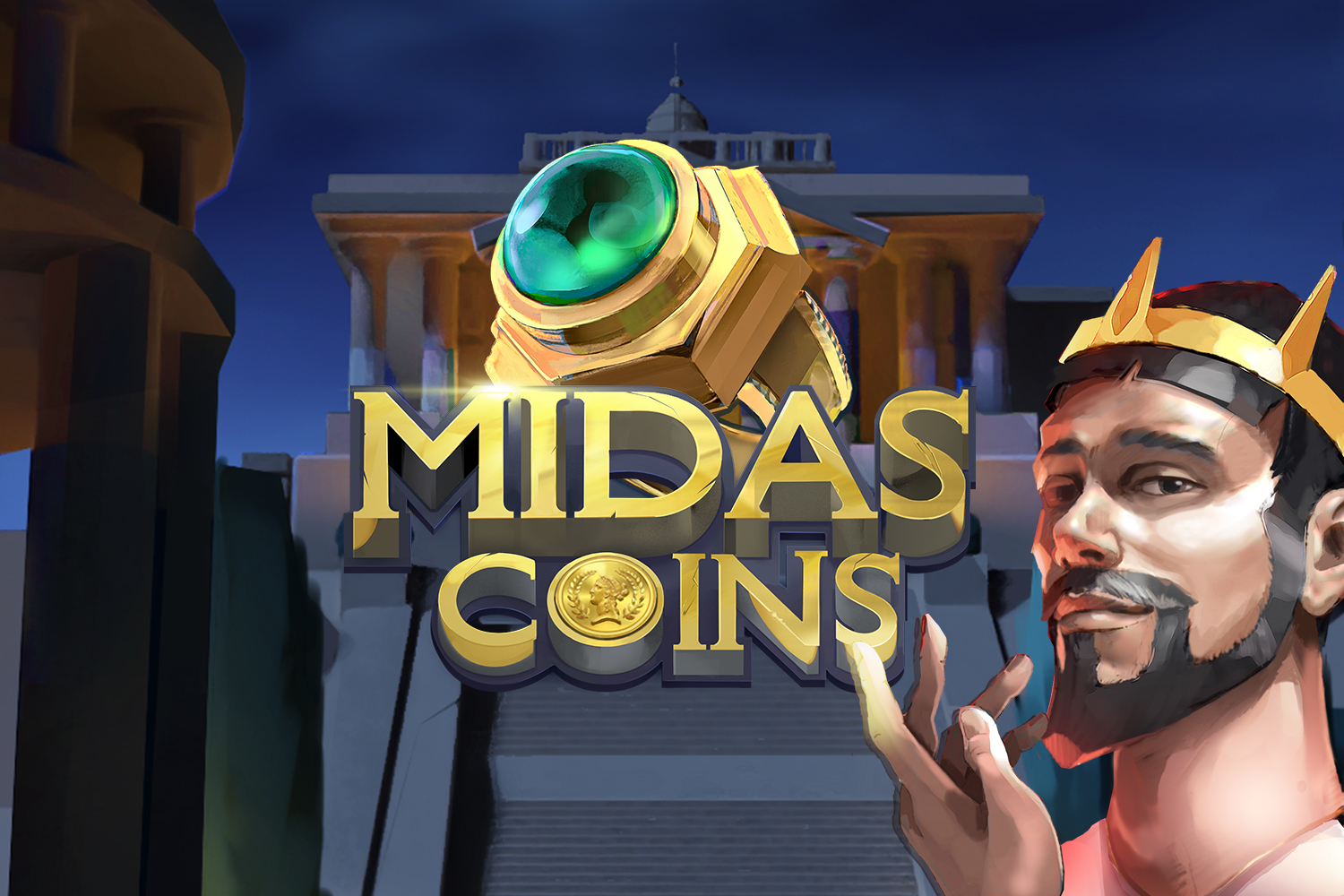
    Midas Coin Slot Review - SkyCity Online Casino

    Resources for New Gamblers: Getting Started

    Whether you’re intrigued by the flashing lights of the casino floor or the thrill of online gaming, diving into the world of gambling can feel both exciting and overwhelming. To make the most of our experience, you should start by understanding the basic rules of the games you want to play. Familiarizing yourself with these rules will boost your confidence and elevate our enjoyment.

    Equally important is bankroll management. You must establish a budget before we even place your first bet, ensuring you only wager what you can afford to lose. This strategy enables you to play freely without the stress of financial strain. By taking these crucial steps, you can initiate our gambling journey with clarity and purpose, maximizing our chances for success.

    Loyalty Programs and Incentives for Regular Players

    As we settle into our gambling adventures, it’s important to investigate the loyalty programs and incentives that casinos like Skyhills offer to keep you coming back. These loyalty rewards not only improve your experience but also provide fantastic player benefits.

    Here’s what we can look forward to:

    • Exclusive promotions for loyal gamblers
    • Frequent player bonuses that keep our bankrolls healthy
    • Tiered rewards that increase as you play more
    • Personalized offers tailored to our gaming preferences
    • Access to special events just for loyal members

    Responsible Gaming: Staying in Control

    When you plunge into the exhilarating world of casino gaming, it’s crucial to remember that responsible gaming is imperative for a fulfilling experience. By staying in control, we can enjoy our time without the burden of financial stress. One powerful way to achieve this is by utilizing self-assessment tools. These tools help us gauge our gaming habits and make informed decisions.

    Additionally, setting boundaries on our gaming spending and time guarantees that we preserve a healthy equilibrium. Freedom resides in understanding our boundaries; when we set these, we can genuinely enjoy the thrill of the game. Let us adopt responsible gaming collectively, allowing us to savor the thrill while keeping our experiences safe and pleasurable. Keep in mind, it’s all about gaming more wisely!

    Community and Social Features at Skyhills Casino

    At Skyhills Casino, numerous players find camaraderie and connection, making our gaming experience even more fulfilling. We flourish on social interaction and the feeling of community, where every game becomes an adventure we share collectively. By participating in community events, we engage in thrilling multiplayer experiences that strengthen our connections.

    Here’s what we can experience collectively:

    • Lively player forums for sharing strategies and tips
    • Thrilling tournament gameplay with friends
    • Engaging cooperative challenges that challenge our teamwork
    • User-generated content that adds innovation to our games
    • Exclusive community rewards that honor our achievements

    Let’s welcome this vibrant community, where each moment amplifies our freedom and enhances our gaming experience. Come join us at Access From Anywhere Casino Skyhills for unforgettable experiences!

  • Cyfrowe kasyno: rozbudowany wybór kasynowych propozycji, platnosci cyfrowych i aktualna rozrywka online

    Kasyna dostepne online dostarczaja obszerny wybór opcji rozgrywki, innowacyjne funkcje uzytkowe oraz wygodne narzedzia online. Goscie platform moga przegladac dostepne automaty wideo, gry w formacie crash i powszechnie znane gry stolowe online. Szczególowych opisów o rynku internetowych platform kasynowych mozna wyszukac samodzielnie na witrynie cyfrowej legalne kasyna w polsce, gdzie wyszczególniane sa wszechstronne formaty realizowanej cyfrowo rozrywki cyfrowej.

    Platformy cyfrowe takie jak legalne kasyno internetowe reprezentuja zauwazalna czesc stale rozwijajacego sie internetowego rynku kasynowych produktów. Bogactwo typów, przemyslana nawigacja strony oraz dostosowanie na ekranach mobilnych sa przypisywane do istotnych mozliwosci dzisiejszych portali.

    Najbardziej typowe produkcje i ekscytujace perspektywy amusementu

    Automaty internetowe sa klasyfikowane jako jedne z najlatwiej rozpoznawalnych rodzajów rozgrywek gier automatowych i stolowych. Zawieraja rozmaite koncepcje wizualne, symbole mechaniki gry oraz opcjonalne etapy. Czesto wskazywane tytuly to Book of Dead, Starburst i Gates of Olympus.

    W zakresie Legalne kasyna online pomocne moze byc w nastepnej kolejnosci omówic gry w formacie crash, takie jak Aviator czy JetX. Ich formula dzialania jest skoncentrowana na zwiekszajacym wartosc wskazniku wyplaty, który moze osiagnac moment zatrzymania w nieznanym wczesniej etapie gry. Pozostale dostepne czesto wybierane segmenty uwzgledniaja miedzy innymi:

    • Automaty z bebnami: Automaty internetowe z wirujacymi bebnami i symbolami tworzacymi kombinacje.
    • Kasynowe gry crash: Gry z mnoznikami stosujace zmieniajace wartosc wskazniki wartosci.
    • Ruletka internetowa: Obstawianie na okreslone liczby i kolory wyników.
    • Blackjack: Gra z rozdawaniem kart z aspektami planowania.
    • Internetowe Plinko: Gra online bazujaca przede wszystkim na przypadkowym trajektorii spadajacej kulki.

    Okreslona grupa gier kasynowych dziala zgodnie z odrebne wytyczne, dlatego nalezy poznac blizej sposób dzialania przed pierwszym etapem rundy.

    Kanaly rozliczen internetowych udostepniane w kasynach funkcjonujacych online

    Proste obslugiwanie platnosci pelni role jako istotny uzytkowo wyznacznik korzystania z uslug z kasyn cyfrowych. Proponowane opcje charakteryzuja sie róznicami w czasem rozliczenia, kosztami obslugi oraz ustaleniami dotyczacymi sprawdzania tozsamosci. Internauci zainteresowani legalne kasyno internetowe moga rozwazac ogólne metody transakcyjne funkcjonujace na rynku kasyn online. Ich konkretnie okreslona mozliwosc korzystania pozostaje powiazana z serwisu i obszaru geograficznego osoby korzystajacej z kasyna.

    Rozwiazanie platnosci elektronicznej

    Opis

    Visa i Mastercard

    Operacje platnicze z uzyciem kart kredytowych

    BLIK

    Bezposrednie rozliczenia przy wykorzystaniu kodu

    Skrill

    Cyfrowy internetowy elektroniczne konto platnicze

    Neteller

    Cyfrowe internetowe przekazywanie pieniedzy

    Platnosc bankowa

    Przekaz pomiedzy kontami uzytkowników

    Aktywa oparte na kryptografii

    Transakcje elektroniczne w obslugiwanych cyfrowych tokenach

    Przed przeprowadzeniem wplaty potrzebne jest przeanalizowac minimalne kwoty, przewidywane prowizje bankowe i zasady dokonywania wyplat. Wazne jest w tym zakresie wybierac sposród zaufanych systemów weryfikacji uzytkownika.

    Charakterystyka dynamicznych portali kasynowych

    Unowoczesnione serwisy z grami kasynowymi posluguja sie zrozumiale rozwiazania interfejsowe i narzedzia dla smartfonów. Latwe do przegladania menu z funkcjami wspomaga osobom zainteresowanym oferta przygladac sie gry wirtualne oraz docierac do komunikaty o dostepnych uslugach kasynowych.

    Przy zdobywaniu wiedzy o Legalne kasyna online mozna przeanalizowac takie parametry jak uklad kategorii, opisy dostepnych tytulów oraz obsluga strony na urzadzeniach mobilnych. Pomocne sa w tym zakresie dane informacyjne o regulacjach platformy, obsludze uzytkowników i warunkach akcji promocyjnych. Dobrze uporzadkowana strona serwisu pozwala wygodniej realizowac zestawianie ze soba udostepnianych cech.

    Bonusowe oferty i pozostale korzysci w wirtualnych rozgrywkach

    Oferty specjalne operatorów moga oferowac uzytkownikom spiny bez dodatkowej oplaty, premie za wplate srodków oraz wydarzenia z bonusami. Szczególy promocyjnych pakietów bonusowych sa ustalane odmiennie miedzy dostawcami platform. W przypadku poszukiwania informacji o legalne kasyno internetowe wazne jest przyjrzec sie znaczenie kryteriów dotyczacych obrotu, okresów trwania promocji oraz warunków kwalifikacji dotyczacych rozwazanych gier oferowanych przez kasyna. Dodatkowe bonusy nie zapewniaja nieuniknionych wygranych. Przed zgloszeniem sie do akcji bonusowej nalezy z odpowiednia starannoscia przyjrzec sie jej wymogi.

    Wyniki pieniezne, RTP i zrównowazone planowanie budzetu

    Niepewne kwoty nagród sa wyznaczane przez formuly gry, kwoty przeznaczonej na zaklad i wyników generowanych losowo. Nawet bardzo znane popularne gry na automatach nie sa gwarantem pewnych wygranych. Zglebiajac Legalne kasyna online, mozna jednoczesnie zainteresowac sie zasadniczymi sformulowaniami dotyczacymi kasynowych rozgrywek:

    • RTP: Wyznaczony statystycznie procentowy wspólczynnik wyplacanych srodków z duzej próby rozgrywek.
    • Wariancja wyplat: Czestosc przyznawania i wartosc wyplat z rozgrywek.
    • Kwota zakladu: Ustalona suma ustalona na jedna rozgrywke.
    • Limit budzetowy: Okreslony wczesniej limit pieniezny przewidziany przez uczestnika gry.

    Rozsadnie uksztaltowane podejscie do hazardu koncentruje sie na sledzenie wydatków i rozsadne postrzeganie gier jedynie jako formy jako hobby rozrywkowego.

    Najczesciej przez odwiedzajacych wyrazane pytania

    Czy koncesja jest wymagana do prowadzenia kasyna online w Polsce?

    Kasyno online podlega zasadom monopolu pañstwa. Nie należy utożsamiaæ go z prywatnymi kasynami naziemnymi działającymi na podstawie koncesji.

    Jakie są najpopularniejsze gry live casino w 2026 roku?

    W 2026 roku do najpopularniejszych formatów live casino należą ruletka, blackjack i baccarat.

    Jak ustawiæ limit wpłat w kasynie?

    Zwykle można to zrobiæ w ustawieniach odpowiedzialnej gry lub sekcji limitów konta.

    Czy certyfikaty bezpieczeñstwa gwarantują uczciwośæ operatora?

    Nie. Certyfikaty są jednym z elementów oceny, ale należy również sprawdziæ operatora, licencjê i jego reputacjê.

  • Internetowa platforma kasynowa: wielorakosc wariantów gier, platnosci elektronicznych i zaawansowana rozrywka sieciowa

    Cyfrowe platformy kasynowe oferuja zróznicowany zakres mozliwosci opcji rozgrywki, interaktywne funkcje uzytkowe oraz dopasowane udogodnienia cyfrowe. Uzytkownicy platform moga wybierac automaty wirtualne, gry z mnoznikiem crash i standardowe gry przy stolach. Rozszerzonych opracowan o obszarze internetowych serwisów kasynowych mozna zdobyc na serwisie internetowym legalne kasyna online, gdzie omawiane sa alternatywne kategorie sieciowej rozrywki sieciowej.

    Serwisy cyfrowe takie jak polskie kasyna legalne reprezentuja okreslona czesc ewoluujacego branzowego rynku kasynowych rozgrywek. Duza liczba typów, przemyslana nawigacja witryny oraz obsluga na telefonach i tabletach sa wlaczane do najwazniejszych udogodnien nowoczesnych serwisów kasynowych.

    Najbardziej znane interaktywne gry i ciekawe perspektywy aktywnosci rozrywkowej

    Kasynowe automaty internetowe znajduja sie wsród najpopularniejszych segmentów gier internetowych. Udostepniaja oryginalne motywy artystyczne, symbole o okreslonych wlasciwosciach oraz uzupelniajace rozgrywke czesci bonusowe. Czesto spotykane popularne tytuly to Book of Dead, Starburst i Gates of Olympus.

    W dziedzinie Legalne kasyna online istotne moze byc oprócz tego zainteresowac sie internetowe gry crash, takie jak Aviator czy JetX. Ich mechanika jest powiazana z wzrastajacym w trakcie rundy mnozniku stawki, który moze osiagnac koniec w przypadkowym momencie rundy. Kolejne rozpoznawane rodzaje charakteryzuja:

    • Sloty internetowe: Automaty cyfrowe z wirujacymi bebnami i kombinacjami na bebnach.
    • Rozgrywki crash: Rozgrywki cyfrowe opierajace rozgrywke na rosnace mnozniki rundy.
    • Gra typu roulette: Zaklady na wybrane liczby i czerwone i czarne pola.
    • Blackjack: Gra oparta na kartach z elementami taktyki.
    • Plinko kasynowe: Gra z kulka opierajaca dzialanie na zaleznym od losowosci przemieszczaniu sie kulki.

    Poszczególna kategoria wyróznia sie poprzez zdefiniowane regulacje rozgrywki, dlatego najlepiej jest przeanalizowac dokladniej sposób dzialania przed uruchomieniem gry internetowej.

    Kanaly transakcji finansowych uzywane w serwisach kasynowych online

    Intuicyjne obsluga platnosci stanowi istotny wazny skladnik odwiedzania z serwisów kasynowych. Spotykane technologie nie zawsze sa takie same pod wzgledem czasem zakonczenia operacji, kosztami transakcji oraz wymaganiami dotyczacymi kontroli danych. Osoby poszukujace informacji o polskie kasyna legalne moga przegladac róznorodne opcje finansowe oferowane na rynku technologii platniczych. Ich faktycznie oferowana mozliwosc skorzystania jest regulowana przez dostawcy serwisu i obszaru geograficznego uzytkownika.

    Srodek dokonywania platnosci

    Krótki opis

    Visa i Mastercard

    Platnosci online przy uzyciu kart platniczych

    BLIK

    Mobilne platnosci z wykorzystaniem kodu

    Skrill

    Internetowy cyfrowy system zarzadzania platnosciami

    Neteller

    Nowoczesne przelewy internetowe

    Przelew z rachunku

    Rozliczenie pomiedzy kontami uzytkowników

    Cyfrowe jednostki wartosci

    Operacje platnicze w wyselekcjonowanych tokenach cyfrowych

    Przed autoryzacja platnosci sensowne jest sprawdzic limity, przewidziane koszty rozliczen i wymagania dotyczace wyplat. Celowe jest przy tym wdrazac sprawdzonych metod weryfikacji tozsamosci.

    Narzedzia nowatorskich internetowych stron kasynowych

    Internetowe portale z grami kasynowymi oferuja latwe w nawigacji uklady graficzne i technologie dostosowane do telefonów. Rozbudowane menu platformy wspiera odwiedzajacym platforme odnajdywac gry internetowe oraz analizowac wyjasnienia o dostepnych rozwiazaniach.

    Przy porównywaniu Legalne kasyna online mozna przeanalizowac dokladniej takie aspekty jak uporzadkowanie kategorii, informacje o dostepnych grach oraz mobilna wersja strony. Priorytetowe sa równiez wskazówki o regulaminie internetowym, systemie pomocy uzytkownikom i warunkach promocji. Przystepnie opracowana witryna cyfrowa usprawnia rozpatrywanie aktualnych wlasciwosci.

    Bonusowe rozwiazania i opcjonalne dodatki w cyfrowych rozgrywkach

    Oferty specjalne operatorów moga laczyc promocyjne spiny, bonusy od wplaconych srodków oraz wydarzenia sezonowe. Ustalenia wspomnianych ofert bonusowych nie musza byc takie same miedzy organizatorami promocji. W przypadku rozpatrywania polskie kasyna legalne praktyczne jest przyjrzec sie blizej zastosowanie wymagan zwiazanych z obrotem bonusowym, terminów realizacji oraz ograniczen zastosowania dotyczacych dostepnych wariantów rozgrywki. Specjalne bonusy nie oznaczaja automatycznie nieuniknionych wygranych. Przed rozpoczeciem udzialu w oferty bonusowej sensowne jest ze zrozumieniem przejrzec uwaznie jej warunki uczestnictwa.

    Srodki z wygranych, RTP i przemyslane kontrolowanie wydatków

    Hipotetyczne wygrane kasynowe sa wyznaczane przez specyfiki rozgrywki, ustalonej stawki i wyników zaleznych od przypadku. Nawet bardzo znane popularne sloty online nie sa zródlem gwarantowanych gwarantowanych korzysci finansowych. Weryfikujac Legalne kasyna online, mozna dla szerszego obrazu dowiedziec sie wiecej o najczesciej spotykanymi pojeciami dotyczacymi kasynowych rozgrywek:

    • RTP: Wyznaczony statystycznie wskaznik matematyczny wyplat dla graczy z licznych powtórzen.
    • Zmiennosc rozgrywki: Czestotliwosc pojawiania sie i poziom kwotowy nagród pienieznych.
    • Stawka rundy: Ustalona suma ustalona na okreslona runde.
    • Pulap budzetowy: Maksymalny limit pieniezny ustalany przez osobe dokonujaca zakladów.

    Bezpieczne korzystanie z kasyna bazuje na rozsadne gospodarowanie srodkami i konsekwentne traktowanie gier oferowanych przez kasyna jedynie w charakterze jako aktywnosci rozrywkowej.

    Najczesciej w praktyce zglaszane watpliwosci graczy

    Czy kasyno z licencją Curaçao jest legalne dla Polaków?

    Nie można odpowiedzieæ twierdząco wyłącznie na podstawie licencji Curaçao. Operator musi byæ oceniany również z perspektywy polskiego prawa.

    Czym różnią siê sloty o niskiej i wysokiej zmienności?

    Niska zmiennośæ oznacza zwykle czêstsze, ale mniejsze wygrane, podczas gdy wysoka wiąże siê z rzadszymi i potencjalnie wiêkszymi wypłatami.

    Czy e-portfele są bezpieczne podczas wpłat do kasyna?

    Mogą byæ bezpieczne, jeśli korzystasz z renomowanego dostawcy i legalnego operatora.

    Czy potwierdzenie numeru telefonu chroni konto gracza?

    Weryfikacja numeru telefonu może stanowiæ dodatkową warstwê identyfikacji użytkownika.

  • Defensive_strategies_against_a_bull_rush_often_involve_technique_and_timing

    🔥 Play ▶️

    Defensive strategies against a bull rush often involve technique and timing

    The world of football, particularly at higher levels of competition, is characterized by a constant battle of strategy and physicality. Offensive linemen are tasked with a demanding role: protecting the quarterback at all costs. Among the various pass-rushing techniques employed by defensive players, the bull rush stands out as one of the most aggressive and challenging to defend. It requires a unique blend of power, technique, and timing from both the rusher and those attempting to neutralize it. Understanding the nuances of this attack and developing effective countermeasures is crucial for success on the gridiron.

    A successful bull rush isn't merely about brute force; it's about controlled power and exploiting weaknesses in an offensive lineman’s stance. It involves a quick, explosive drive, aiming to overwhelm the opponent with sheer momentum. However, offensive lines aren’t simply standing still waiting to be moved. They’re actively working to anchor themselves and redirect the rusher, making the bull rush a complex interaction. The following sections will delve into the techniques used in a bull rush, the strategies employed to defend against it, the physical conditioning required, common mistakes made by both attackers and defenders, and the evolving nature of this fundamental football duel.

    Understanding the Mechanics of the Bull Rush

    The bull rush is fundamentally about winning the initial engagement at the line of scrimmage. It’s not about a slow build-up; it's an immediate, powerful surge forward. The defensive end or defensive tackle, initiating the rush, typically takes a short, choppy step, aiming to get underneath the offensive lineman’s pads. This low posture is vital. The goal is to get leverage, essentially trying to lift the lineman and drive him backward. This initial drive isn’t just about forward motion, it's also about hand placement. Rushers aim to get their hands inside the chest plate of the lineman, allowing them to control the engagement and dictate the direction of the force. A successful bull rush often involves a slight upward motion as the rusher drives, leveraging their lower body strength to unbalance the opponent. The timing of this upward drive is critical – too early, and the lineman can ride the rush; too late, and the momentum is lost.

    The Role of Hand Fighting

    While raw power is a component, hand fighting is arguably more important in a successful bull rush. A rusher can’t simply rely on brute strength to move a skilled offensive lineman. Instead, they need to constantly work to disrupt the lineman’s hand placement, preventing him from establishing a strong anchor. This involves quick, violent hand strikes – chopping, swatting, and ripping – to gain control of the lineman’s arms. Effective hand fighting isn't a one-time event; it’s a continuous battle throughout the entire rush. The rusher must maintain inside leverage, constantly trying to control the lineman’s hands and prevent him from regaining control. This requires not only strength but also exceptional technique and a high degree of agility. The ability to quickly transition between hand techniques is crucial to keeping the lineman off balance.

    Bull Rush Technique
    Key Elements
    Initial Step Short, choppy, aiming to get under the lineman's pads.
    Hand Placement Inside the chest plate, controlling leverage.
    Drive Angle Slightly upward to unbalance the opponent.
    Hand Fighting Continuous disruption of the lineman's hands.

    Proper conditioning, allowing for sustained explosive effort, plays a crucial role in maximizing the effectiveness of these techniques. Beyond just raw strength, a rusher needs to have the stamina to maintain this intensity throughout an entire game.

    Defensive Strategies: Anchoring and Redirecting

    Defending against a bull rush requires a multifaceted approach. The primary goal for an offensive lineman is to anchor – to resist the initial surge and prevent being driven backward. This isn’t simply a matter of bracing for impact; it requires a specific technique that involves a wide base, a slightly bent posture, and a strong, braced core. The lineman must keep his center of gravity low and maintain a powerful leg drive to counter the rusher’s momentum. It’s crucial to avoid getting “rooted” – a position where the lineman’s feet become stuck, making it impossible to adjust. A key element of anchoring is keeping the elbows tight and the hands inside, preventing the rusher from gaining leverage. Allowing the rusher to get outside the shoulder pads is a recipe for disaster. Effective anchoring isn’t a passive defense; it's an active resistance to the rusher’s power.

    Techniques for Redirecting the Rush

    While anchoring is essential, simply resisting the bull rush isn’t always enough. Skilled offensive linemen can also redirect the rusher, steering him away from the quarterback’s path. This involves subtle shifts in footwork and body positioning to angle the rusher towards the sideline or a less dangerous area of the pocket. The goal is to disrupt the rusher’s momentum and make it more difficult for him to maintain a direct path to the quarterback. Redirecting requires not just physical strength but also a keen awareness of the rusher’s angles and a quick reaction time. Linemen will often use their hands to “feel” the rusher’s pressure, allowing them to anticipate his movements and adjust their positioning accordingly. The ability to quickly change direction is vital when redirecting, as it requires the lineman to maintain balance while applying force.

    • Wide Base: Creates stability and resistance to lateral movement.
    • Low Center of Gravity: Enhances leverage and prevents being driven upward.
    • Tight Elbows: Prevents the rusher from gaining inside leverage.
    • Active Footwork: Allows for quick adjustments and redirection.

    Successful redirection often relies on the lineman being able to identify the rusher’s tendencies and exploit them, essentially turning the rusher’s own power against him. It’s a delicate balance between resisting the initial surge and subtly shifting the rusher’s trajectory.

    Physical Conditioning for Both Attack and Defense

    Both executing a successful bull rush and defending against it demand exceptional physical conditioning. For the rusher, explosive power is paramount. This requires a training regimen that focuses on developing both lower body strength and upper body power. Exercises like squats, deadlifts, and power cleans are essential for building the foundation of explosive strength. However, strength alone isn’t enough. Rushers also need to develop a high level of conditioning to maintain that power throughout an entire game. Interval training, sprints, and agility drills are crucial for improving stamina and explosiveness. A rusher also needs to focus on core strength, as this provides the stability needed to generate and transfer power efficiently. The ability to maintain proper technique while fatigued is a key differentiator.

    Lineman Strength and Endurance

    For offensive linemen, the focus is on building both strength and endurance. While explosive power is important, their primary goal is to withstand repeated surges from powerful rushers. This requires a training regimen that emphasizes both strength and isometric endurance. Heavy lifting, particularly exercises that target the legs and core, is essential for building the foundation of strength. However, linemen also need to develop the ability to hold their ground against sustained pressure. Isometric exercises, such as wall sits and plank variations, are crucial for building this type of endurance. Linemen also need to focus on flexibility and mobility, as this allows them to maintain a proper posture and react quickly to changing situations. A strong and flexible core is particularly important for maintaining balance and preventing injuries.

    1. Strength Training: Focus on compound exercises like squats, deadlifts, and bench press.
    2. Isometric Endurance: Exercises like wall sits and planks to hold positions.
    3. Agility Drills: Improve footwork and reaction time.
    4. Core Strengthening: Essential for stability and power transfer.

    Both rushers and linemen benefit from incorporating exercises that improve their ability to generate and absorb force. Plyometrics, which involve explosive movements, can help develop the power and agility needed to excel in these one-on-one battles.

    Common Mistakes and How to Avoid Them

    Even with the best training and technique, mistakes are inevitable. A common error for rushers is overcommitting to the initial surge, leaving themselves vulnerable to counter moves if the lineman anchors effectively. This can lead to the rusher losing their balance and being easily controlled. Another mistake is neglecting hand fighting – relying solely on power without actively disrupting the lineman’s hands. For linemen, a common mistake is getting too high in their stance, making it easier for the rusher to get under them and lift them off the ground. Also, failing to maintain a wide base or allowing the rusher to gain inside leverage are critical errors. Recognizing these tendencies and actively correcting them through practice is crucial for improving performance.

    Another prevalent issue is anticipation. Linemen may react to the rush instead of pre-setting themselves in a position that anticipates it, while rushers might telegraph their moves, giving the lineman valuable time to prepare. Developing a sense of timing and the ability to read an opponent’s intentions is a skill honed through repetition and film study.

    The Evolving Nature of the Bull Rush in Modern Football

    The bull rush, while a foundational technique, is constantly evolving. Modern defensive schemes are incorporating more sophisticated pass-rushing techniques, often combining the bull rush with other moves like swim moves, rip moves, and spin moves. This forces offensive linemen to be even more versatile and adaptable. The use of stunts and blitzes also adds another layer of complexity, requiring linemen to be able to quickly identify and react to multiple rushers. Furthermore, the increased emphasis on pass protection has led to linemen becoming more athletic and technically refined. They are no longer simply relying on brute strength; they are using their agility and technique to neutralize even the most powerful rushers.

    The rise of analytics is also influencing the way teams approach the bull rush. Coaches are using data to identify opponent tendencies and develop game plans that exploit those weaknesses. For instance, if a particular lineman struggles against the bull rush, the opposing team may focus on attacking him with that technique repeatedly. The continuous interplay between offensive and defensive strategies ensures that the bull rush, and the techniques used to counter it, will continue to evolve for years to come, remaining a pivotal aspect of the game of football.

  • Ancient_civilizations_and_the_book_of_the_dead_unveil_secrets_of_the_afterlife_j

    🔥 Play ▶️

    Ancient civilizations and the book of the dead unveil secrets of the afterlife journey

    The concept of death and the afterlife has captivated humanity for millennia, giving rise to elaborate rituals, beliefs, and texts intended to guide, protect, and ultimately, ensure a successful transition to the world beyond. Among the most fascinating of these ancient documents is the book of the dead, a collection of spells, hymns, and illustrations intended to aid the deceased on their perilous journey through the underworld. These texts, primarily originating from ancient Egypt, offer a unique window into the spiritual anxieties, hopes, and complex cosmology of a civilization deeply concerned with immortality.

    Far from a single, unified ‘book’ as we understand it today, the ancient Egyptian compilation was a series of funerary texts known as The Book of Going Forth by Day, or more colloquially, the Book of the Dead. Its origins can be traced back to the Pyramid Texts of the Old Kingdom, evolving over centuries to become increasingly personalized and accessible to a wider range of individuals, not just the pharaohs. The elaborate preparations for the afterlife, meticulously detailed within these texts, reflect a deeply held belief in the continuation of life after death, albeit a life fraught with challenges and requiring divine assistance.

    The Egyptian Underworld: A Perilous Landscape

    The ancient Egyptian conception of the afterlife was not a simple paradise but a complex and often dangerous realm. The underworld, known as Duat, was a shadowy and treacherous place, teeming with monstrous creatures, deceptive landscapes, and formidable deities. To navigate this perilous journey, the deceased required not only physical provisions – food, drink, and belongings – but, crucially, magical knowledge. This is where the spells and incantations contained within the Book of the Dead came into play. These weren't merely religious verses; they were considered essential tools for survival, functioning as a protective shield against the many threats that lay in wait.

    The journey through Duat was depicted as a series of trials and tribulations, each requiring specific spells to overcome. The deceased had to identify themselves to various gods, proclaim their innocence, and successfully navigate past guardians and demons. The texts detailed precisely what to say and do in each situation, providing a roadmap for safe passage. The Book of the Dead wasn’t a guarantee of success, however; it was a guide, and the deceased’s moral character, as judged during the weighing of the heart ceremony, ultimately determined their fate. The accuracy and completeness of the spells, as well as the quality of the accompanying illustrations, were considered vital to a successful outcome. They were a form of spiritual insurance, designed to empower the deceased against the inevitable hardships of the afterlife.

    The Role of Gods and Demons in the Afterlife

    Numerous deities populated the Egyptian underworld, each with their own distinct role and influence. Some were benevolent guides, offering assistance and protection, while others were fearsome adversaries, demanding respect and obedience. Among the most prominent were Osiris, the god of the afterlife, who presided over the judgment of the dead; Anubis, the jackal-headed god of embalming and guide to the underworld; and Thoth, the ibis-headed god of wisdom and scribal arts, who recorded the outcome of the weighing of the heart. The texts meticulously detailed how to address each deity, what offerings to present, and the specific spells required to appease them.

    Alongside the gods, the Duat was also inhabited by a multitude of demons and monstrous creatures, representing the forces of chaos and destruction. These entities posed a constant threat to the deceased, seeking to hinder their progress or even destroy their souls. The Book of the Dead provided spells to ward off these beings, often depicting them in vivid illustrations, allowing the deceased to recognize and counteract their attacks. The Egyptians believed that knowing the name and true form of a demon granted power over it, a concept reflecting their deep understanding of the power of language and symbolism.

    Deity
    Role
    Osiris God of the afterlife, judge of the dead
    Anubis Guide to the underworld, embalmer
    Thoth God of wisdom, scribal arts, records the weighing of the heart
    Ma'at Goddess of truth and justice, whose feather is weighed against the heart

    Understanding these deities and their roles was crucial for navigating the underworld, and the Book of the Dead served as the essential guide for this complex spiritual journey. The imagery and the text were designed to both invoke the protection of the benevolent gods and repel the malicious intent of the demonic forces.

    The Weighing of the Heart: Judgment and Moral Rectitude

    Central to the Egyptian concept of the afterlife was the weighing of the heart ceremony, a pivotal moment that determined the deceased’s fate. In this scene, depicted in numerous Book of the Dead illustrations, the heart of the deceased was placed on a scale opposite the feather of Ma'at, the goddess of truth and justice. If the heart was lighter than the feather, it signified a life lived in accordance with Ma'at's principles of honesty, morality, and social harmony, and the deceased was granted access to the afterlife. However, if the heart was heavier, weighed down by sin and wrongdoing, it was devoured by Ammit, a fearsome creature with the head of a crocodile, the body of a lion, and the hindquarters of a hippopotamus, effectively ending the deceased’s chance at immortality.

    The process was overseen by a panel of forty-two judges, and the deceased had to recite a “Negative Confession,” declaring their innocence of forty-two specific sins, ranging from theft and murder to lying and disrespecting the gods. This confession wasn’t merely a statement of fact but a ritual affirmation of moral rectitude, a plea for acceptance into the realm of Osiris. The meticulous detail of the negative confession illustrates the importance the Egyptians placed on ethical conduct, even in death. It wasn't enough to simply believe in the gods; one had to actively live a virtuous life to earn their favor and secure a place in the afterlife.

    Preparing for the Judgment: Spells and Declarations

    The Book of the Dead included specific spells designed to prepare the deceased for the weighing of the heart ceremony. These spells aimed to purify the heart, ensuring it was free from sin and worthy of judgment. They also provided the deceased with the correct words to utter during the negative confession, bolstering their defense against accusations of wrongdoing. The Egyptians believed that the power of the spoken word, particularly within a sacred context, was immense. These spells were not merely incantations; they were carefully crafted declarations of innocence and moral integrity, intended to influence the outcome of the judgment.

    The quality of the illustrations accompanying these spells was also considered important. Vivid depictions of the weighing of the heart ceremony, the gods, and the deceased were believed to enhance the efficacy of the spells, strengthening their protective power. The illustrations served as visual aids, reinforcing the religious beliefs and providing a tangible representation of the spiritual concepts involved. They weren't simply artistic creations; they were integral components of the funerary ritual, designed to assist the deceased in their ultimate judgment.

    • The Negative Confession was a crucial element of the judgment process.
    • The heart represented the seat of intellect and morality.
    • Ma'at symbolized truth, justice, and cosmic order.
    • Ammit represented the ultimate negation of the afterlife.

    The preparation for the weighing of the heart was a complex and multifaceted undertaking, requiring not only spiritual purity but also the precise execution of ancient rituals and the recitation of powerful spells. The Book of the Dead was the guidebook to this critical moment, ensuring that the deceased was adequately equipped to face the judgment of Osiris.

    Evolution of the Book of the Dead and its Variations

    As previously noted, the Book of the Dead wasn’t a standardized text but evolved over centuries, undergoing significant changes in content and format. Its origins lie in the Pyramid Texts of the Old Kingdom (c. 2686-2181 BCE), which were exclusively inscribed on the walls of royal pyramids, intended for the pharaoh's afterlife. Over time, these texts became known as the Coffin Texts, appearing on coffins and sarcophagi, making them accessible to a wider range of individuals. By the New Kingdom (c. 1550-1070 BCE), the Book of the Dead had emerged as a distinct compilation of spells and illustrations, typically written on papyrus scrolls and placed within the tomb alongside the deceased.

    The contents of individual Book of the Dead scrolls varied considerably, depending on the individual's wealth, status, and religious beliefs. Some scrolls contained a comprehensive collection of spells, while others included only a select few deemed most important. The arrangement of the spells also differed, reflecting regional variations and scribal preferences. Furthermore, the quality of the illustrations varied widely, ranging from simple, schematic depictions to elaborate, richly colored vignettes. The personalized nature of these texts reflects the Egyptians’ belief in the individual’s unique journey through the afterlife. The Book of the Dead was not a one-size-fits-all solution but a customized spiritual toolkit designed to meet the specific needs of each deceased individual.

    Papyrus Production and the Role of Scribes

    The production of a Book of the Dead scroll was a labor-intensive process, requiring skilled artisans and expensive materials. Papyrus, the writing material of choice, was made from the pith of the papyrus plant, carefully processed and layered to create a smooth writing surface. The text was written in hieratic or demotic script, using ink made from soot or mineral pigments. The illustrations were meticulously painted, often using vibrant colors derived from natural sources. The entire process was typically overseen by a priest or scribe, who was responsible for ensuring the accuracy and completeness of the text.

    Scribes held a highly esteemed position in Egyptian society, and their role in creating the Book of the Dead was particularly significant. They were not merely copyists but also considered skilled practitioners of magic, capable of imbuing the text with spiritual power. The act of writing the spells was believed to activate their efficacy, and the scribe’s personal piety and skill were considered crucial to the success of the funerary ritual. The process required extensive training and a deep understanding of religious beliefs. The careful artistry and precise execution demonstrated the importance placed on the physical manifestation of the Book of the Dead.

    1. The Book of the Dead evolved from the Pyramid Texts to the Coffin Texts.
    2. The content varied based on individual preferences and resources.
    3. Papyrus was the primary writing material.
    4. Scribes held a pivotal role in production and imbued the text with power.

    The production of a Book of the Dead was a significant investment, reflecting the deceased’s desire to secure a successful afterlife. The quality of the materials and the skill of the artisans were indicative of the individual’s status and the importance they placed on their spiritual well-being.

    The Book of the Dead in Modern Culture and Scholarship

    The discovery and decipherment of the Book of the Dead in the 19th and 20th centuries revolutionized our understanding of ancient Egyptian religion and beliefs. Early translations, however, were often incomplete or inaccurate, leading to misconceptions and romanticized interpretations. Modern scholarship, employing advanced linguistic and archaeological techniques, has provided a more nuanced and accurate understanding of the text’s content and significance. The Book of the Dead continues to be a subject of intense study, offering invaluable insights into the spiritual worldview of one of history’s most fascinating civilizations.

    Beyond academic circles, the Book of the Dead has captured the imagination of artists, writers, and filmmakers, inspiring numerous creative works. It continues to appear as a recurring motif in popular culture, often portrayed as a mysterious and powerful artifact with the ability to summon or control the forces of the afterlife. While these depictions often take liberties with historical accuracy, they attest to the enduring appeal and symbolic resonance of this ancient text. The continued fascination with the Book of the Dead speaks to the universal human preoccupation with death, the afterlife, and the search for meaning in the face of mortality.

    Beyond the Papyrus: The Book of the Dead as a Reflection of Egyptian Society

    The enduring legacy of the Book of the Dead extends beyond its theological implications and offers a remarkable lens through which to examine ancient Egyptian societal structures and values. The very act of commissioning a personalized Book of the Dead reveals a stratified social system where access to such elaborate funerary preparations was largely determined by wealth and status. The elite could afford beautifully illustrated scrolls with comprehensive spells, while those less fortunate might have to settle for simpler versions or rely on inherited texts. This demonstrates the practical implications of religious belief, where even the promise of eternal life was subject to earthly inequalities.

    Furthermore, the content of the Book of the Dead provides insights into the ethical framework of Egyptian society. The emphasis on moral rectitude, as evidenced by the Negative Confession, suggests a strong societal pressure to uphold justice and honesty. This points to a complex legal and moral code that governed daily life and extended into the afterlife. The detailed depictions of rituals and the roles of different deities also shed light on the organizational structure of the Egyptian priesthood and the importance of religious institutions in maintaining social order. The enduring study of this ancient text, therefore, isn't just about unlocking the secrets of the afterlife, but about understanding the lives, beliefs, and social dynamics of the people who created it, offering a comprehensive portrait of a civilization’s relationship with mortality and the enduring quest for immortality.

  • Egyptian_passages_reveal_the_book_of_the_dead_and_stories_of_resurrection_belief

    🔥 Play ▶️

    Egyptian passages reveal the book of the dead and stories of resurrection beliefs

    The ancient Egyptians held profound beliefs about the afterlife, and central to these beliefs was a collection of texts known as the book of the dead. This wasn’t a single, unified book as we might envision it today, but rather a series of spells, hymns, and illustrations intended to assist the deceased in navigating the perilous journey through the underworld. These writings were highly personalized, tailored to the individual for whom they were created, and represented a culmination of religious thought spanning centuries. The aim was not simply to survive death, but to achieve resurrection and eternal life, becoming one with the gods.

    The concept of the afterlife in ancient Egypt wasn’t a passive existence; it was a challenging ordeal filled with tests and judgments. Preparation for this journey began during life, with individuals accumulating wealth, performing good deeds, and ensuring their tombs were properly equipped. The book of the dead, often inscribed on papyrus scrolls and placed within the coffin, served as a guidebook, a source of magical power, and a testament to the deceased’s worthiness. Its elaborate imagery and complex symbolism provide an unparalleled insight into the religious practices and worldview of one of history’s most fascinating civilizations.

    Origins and Evolution of the Ancient Egyptian Texts

    The origins of the texts that constitute the book of the dead can be traced back to the Pyramid Texts of the Old Kingdom (c. 2686-2181 BCE). These were inscriptions carved into the walls of royal pyramids, intended to ensure the pharaoh’s successful transition into the afterlife. They were exclusive to the ruling class and represented a highly centralized religious practice. Over time, this practice evolved, becoming more accessible with the emergence of the Coffin Texts during the Middle Kingdom (c. 2055-1650 BCE). These texts were written on the coffins themselves, broadening access to the afterlife rituals beyond just the pharaohs. This democratization of religious beliefs paved the way for the book of the dead as we understand it.

    By the New Kingdom (c. 1550-1070 BCE), the book of the dead had reached its most recognizable form. The texts became more standardized, though still personalized for each individual, and were typically written on papyrus scrolls. Scribes meticulously copied and illustrated these scrolls, producing magnificent works of art that showcased the deceased’s piety and status. The compilation of spells and vignettes wasn’t fixed; different versions existed, reflecting regional variations and evolving religious beliefs. The quality of the papyrus, the skill of the scribe, and the intricacy of the illustrations all contributed to the cost and prestige of the book of the dead.

    The Role of Thoth and the Scribes

    The god Thoth, revered as the scribe of the gods and the inventor of writing, played a crucial role in the creation and efficacy of the book of the dead. He was believed to record the results of the Weighing of the Heart ceremony, ensuring justice and order in the afterlife. The scribes who painstakingly copied the texts were therefore considered to be performing a sacred task, channeling divine knowledge and assisting the deceased in their journey. Their skill and accuracy were paramount, as even a minor error in transcription could potentially jeopardize the deceased’s chances of achieving eternal life. The scribes were highly respected members of Egyptian society, possessing extensive knowledge of hieroglyphs, religious rituals, and the intricacies of the afterlife.

    The scribes didn't merely copy; they often acted as intermediaries, adapting the spells and illustrations to suit the individual's profession, status, and personal beliefs. This personalization underscored the importance of individual agency in the afterlife, even within the framework of established religious practices. The act of commissioning a book of the dead was a significant investment, reflecting the family's commitment to ensuring a successful transition for their loved one. The vibrant colors and detailed imagery used in the illustrations weren't simply aesthetic choices; they were believed to possess magical properties, enhancing the potency of the spells and protecting the deceased from harm.

    Spell Number
    Spell Title/Purpose
    Spell 1 Coming Forth by Day (A core spell for resurrection)
    Spell 17 Transformation into a Falcon (allowing passage through the heavens)
    Spell 30B Spell for Receiving Food Offerings in the Afterlife
    Spell 69 Spell for Preventing the Heart from Testifying Against the Deceased

    Understanding the evolution of these texts helps contextualize their significance. From the exclusive realm of the pharaohs to a more widely accessible practice, the book of the dead demonstrates a changing religious landscape and an enduring human desire for immortality.

    The Weighing of the Heart: A Pivotal Judgment

    Perhaps the most iconic scene depicted in the book of the dead is the Weighing of the Heart ceremony. This judgment, overseen by the god Osiris, determined the fate of the deceased. The heart, considered the seat of intelligence and emotion, was weighed against the feather of Ma’at, representing truth, justice, and cosmic order. If the heart was lighter than or balanced with the feather, the deceased was deemed worthy of eternal life and allowed to proceed into the afterlife. However, if the heart was heavier, weighed down by sins and misdeeds, it was devoured by Ammit, a fearsome creature with the head of a crocodile, the forequarters of a lion, and the hindquarters of a hippopotamus, effectively ending the individual’s chances of resurrection.

    The ceremony wasn’t simply a passive assessment of moral conduct; it involved the deceased actively proclaiming their innocence before a panel of forty-two judges. They were required to recite the “Negative Confession,” a list of sins they had not committed during their lifetime. This demonstrates the emphasis placed on ethical behavior and the importance of living a virtuous life in preparation for the afterlife. The meticulous depiction of this process in the book of the dead underscores the gravity of the judgment and the need for the deceased to be fully prepared. It’s a powerful reminder of the Egyptian belief in divine accountability.

    The Role of Anubis and Osiris

    The Weighing of the Heart ceremony involved several key deities. Anubis, the jackal-headed god of embalming and the afterlife, was responsible for guiding the deceased to the hall of judgment and overseeing the weighing process. He meticulously prepared the deceased for their final assessment. Osiris, the resurrected god and ruler of the underworld, presided over the ceremony, acting as the ultimate judge. His own story of death and resurrection served as a powerful symbol of hope for the deceased. The presence of these deities instilled a sense of solemnity and reverence in the process.

    The accuracy of the weighing was paramount, and Anubis played a critical role in ensuring its integrity. His unwavering dedication to justice and his intimate knowledge of the afterlife made him an indispensable figure in the judgment process. Osiris’s final verdict determined not only the fate of the individual but also affirmed the cosmic order, reinforcing the idea that righteousness and truth would ultimately prevail. The complex interplay between these deities demonstrates the sophisticated theological framework underlying the Egyptian beliefs about death and the afterlife.

    • Preparation for the afterlife was a lifelong pursuit.
    • The book of the dead served as a personalized guide.
    • The Weighing of the Heart was the central judgment.
    • A virtuous life was essential for a positive outcome.

    The Weighing of the Heart is a testament to the Egyptians’ profound understanding of morality, justice, and the eternal consequences of one’s actions. It highlights the idea that even in death, individuals were held accountable for their lives.

    Spells and Amulets: Protecting the Journey

    The book of the dead wasn’t solely focused on judgment; it also contained a wealth of spells and incantations designed to protect the deceased during their perilous journey through the underworld. These spells were intended to ward off demons, overcome obstacles, and ensure safe passage through the various realms of the afterlife. They drew upon the power of the gods and the inherent magic of the spoken word. The meticulous recitation of these spells was considered essential for a successful transition. The book of the dead provided the deceased with the necessary tools to navigate the dangers that lay ahead, offering a sense of control in an otherwise uncertain situation.

    The spells were often accompanied by intricate illustrations, depicting the deities they invoked and the specific challenges they were meant to address. These visuals weren’t merely decorative; they were believed to activate the magical power of the spells, enhancing their efficacy. The careful selection and arrangement of spells within the book of the dead were tailored to the individual's needs and the perceived dangers they might encounter. The entire scroll functioned as a comprehensive protective shield, safeguarding the deceased from harm.

    The Power of Amulets

    In addition to the spells within the book of the dead, amulets were commonly placed within the wrappings of the mummy to provide further protection. These small, often intricately crafted objects were believed to possess magical properties, warding off evil spirits and bestowing blessings upon the deceased. The scarab beetle, symbolizing rebirth and transformation, was a particularly popular amulet, often placed over the heart to ensure its positive declaration during the Weighing of the Heart. The Eye of Horus, a symbol of protection, health, and restoration, was also frequently used.

    Each amulet was associated with a specific deity and a particular magical function. Their materials – often precious stones like lapis lazuli, carnelian, and turquoise – were also believed to contribute to their power. The placement of amulets wasn’t random; they were strategically positioned on the body to protect vulnerable areas and enhance their effectiveness. These amulets weren’t simply religious symbols; they were essential components of the funerary process, providing tangible safeguards against the dangers of the afterlife.

    1. Select spells were tailored to the deceased's individual needs.
    2. Illustrations enhanced the magical potency of the spells.
    3. Amulets provided additional layers of protection.
    4. The scarab beetle symbolized rebirth and transformation.

    The combination of spells and amulets demonstrates the Egyptians’ holistic approach to ensuring a safe and successful passage into the afterlife, leveraging both divine power and material objects.

    Regional Variations and Textual Changes

    While the core themes and spells of the book of the dead remained consistent, variations existed across different regions and time periods. The Theban Recension, originating in Thebes, became the most widely circulated and standardized version during the New Kingdom. It served as a template for many subsequent copies. However, other regional variations, such as the Saite Recension, reflected local religious traditions and evolving theological interpretations. These variations demonstrate that the book of the dead wasn’t a static text but rather a dynamic collection of beliefs that adapted to changing cultural contexts.

    The inclusion and prominence of certain spells also varied depending on the individual’s social status and personal preferences. Wealthier individuals often commissioned more elaborate scrolls with a wider range of spells, while those with limited resources might have opted for simpler versions containing only the most essential protections. The evolving religious landscape also led to the addition and modification of spells over time, reflecting new theological insights and changing perspectives on the afterlife. These variations illuminate the personalized nature of ancient Egyptian religious beliefs.

    The Book of the Dead and Modern Interpretations

    The discovery of numerous book of the dead scrolls in the 19th and 20th centuries sparked intense scholarly interest and provided invaluable insights into ancient Egyptian religion and culture. Early translations, however, were often inaccurate or biased, reflecting Western preconceptions about Egyptian beliefs. The modern study of the book of the dead relies on a multidisciplinary approach, combining textual analysis, archaeological evidence, and art historical interpretation to achieve a more nuanced and accurate understanding.

    Today, the book of the dead is recognized not just as a religious text but as a significant work of art, literature, and historical documentation. Its intricate illustrations and poetic spells offer a unique window into the ancient Egyptian worldview, their fears, hopes, and beliefs about the afterlife. The ongoing study of these texts continues to reveal new layers of meaning, challenging and enriching our understanding of one of the world’s oldest and most influential civilizations. The enduring fascination with the book of the dead stems from its ability to connect us to the past, offering a glimpse into the timeless human quest for meaning and immortality.

  • Powerful_technique_during_a_bull_rush_impacts_game_outcomes_significantly

    🔥 Play ▶️

    Powerful technique during a bull rush impacts game outcomes significantly

    The world of competitive sports, and indeed many aspects of life, often involves moments of intense physical confrontation and strategic maneuvering. One such tactic, frequently observed in contact sports like football, rugby, and even ice hockey, is the bull rush. This technique, characterized by a powerful and direct charge towards an opponent, aims to overwhelm them with sheer force and momentum. It's a fundamental element of gameplay, often setting the stage for significant advantages and ultimately impacting the final outcome of a contest. The execution of a successful bull rush demands a unique combination of strength, technique, and timing, making it a captivating spectacle for both players and spectators alike.

    Beyond the athletic field, the concept of a “bull rush” can be applied metaphorically to various situations requiring assertive action and a direct approach. In business negotiations, a determined and unwavering stance can function as a metaphorical bull rush, compelling opposing parties to concede. Similarly, in personal interactions, a confident and direct communication style can effectively navigate challenging conversations. Understanding the underlying principles of this forceful technique, therefore, extends far beyond the realm of sports, offering valuable insights into effective strategies for achieving goals in diverse contexts.

    Understanding the Core Mechanics of a Bull Rush

    A bull rush isn't simply about running straight at someone with brute force. While raw power is undeniably a component, the most effective bull rushes are those that combine this power with precise technique. The initial steps are crucial; a player typically begins with a short, controlled stance, ensuring a low center of gravity. This is vital for maintaining balance and generating maximum force. The first few steps are designed to build momentum, accelerating towards the opponent while keeping a stable base. The hand placement is also critical, as it dictates where the force will be directed and how effectively the opponent can be controlled. Skilled players aim to place their hands inside the opponent’s shoulder pads or on their chest, creating leverage and disrupting their balance. This initial contact sets the stage for the main event: the powerful drive.

    The Importance of Leverage and Timing

    Successful leverage is often the difference between a dominating bull rush and a stalled attempt. By getting under the opponent’s center of gravity, the rusher effectively amplifies their own power while simultaneously weakening the opponent’s stability. Timing is equally essential. Launching the bull rush at the precise moment the opponent is off-balance, or when they’re anticipating a different move, can significantly increase its effectiveness. This requires not only physical prowess but also a keen understanding of the opponent’s tendencies and reactions. Players often study film, analyzing their opponents’ stances and patterns, to identify vulnerabilities and exploit them with perfectly timed bull rushes. Furthermore, a successful bull rush requires core strength to drive forward and maintain control throughout the engagement.

    Key Component
    Description
    Stance Low, balanced, and prepared for explosive movement.
    Hand Placement Inside the opponent’s shoulder pads or on their chest for maximum leverage.
    Leg Drive Continuous and powerful pushing motion with the legs, maintaining a low center of gravity.
    Timing Launching the rush when the opponent is vulnerable or off-balance.

    The ability to read an opponent, anticipate their moves, and react with speed and precision is what separates the truly exceptional rushers from those who simply rely on strength alone. A well-executed bull rush is a testament to both physical conditioning and mental acuity.

    The Bull Rush in Different Sports: Variations and Adaptations

    While the fundamental principles of a bull rush remain consistent across various sports, the specific techniques and strategies employed often differ depending on the rules and dynamics of the game. In American football, the bull rush is a cornerstone of offensive line play, used both by offensive linemen to create running lanes and by defensive players to pressure the quarterback. Here, it’s often combined with other pass-rushing techniques like swim moves and rip moves to keep the offensive lineman guessing. In rugby, the bull rush is commonly seen in open play, with players using their strength and momentum to break through defensive lines and gain yardage. Unlike football, rugby’s continuous flow of play demands that players be able to execute bull rushes from various angles and positions.

    Adapting the Technique to Specific Game Scenarios

    The effectiveness of a bull rush is heavily influenced by the game situation. A team trailing late in the fourth quarter might rely more heavily on bull rushes to create quick scoring opportunities, while a team with a lead might prioritize a more conservative approach, using bull rushes strategically to wear down the opponent. A critical aspect of adaptation is adjusting to the size and strength of the opponent. Against a larger, more powerful opponent, a rusher might focus on leveraging their technique and using angles to disrupt their balance, rather than attempting a direct, head-on collision. Conversely, against a smaller opponent, a more aggressive and direct approach might be effective. Ultimately, versatility is key.

    • American Football: Emphasis on hand placement inside the shoulder pads, quick acceleration, and combining with other pass-rushing moves.
    • Rugby: Focus on continuous momentum, breaking through tackles, and maintaining possession.
    • Ice Hockey: Utilizing body positioning and power skating to drive opponents into the boards.
    • Lacrosse: Employing physicality and positioning to create space and drive towards the goal.
    • Basketball: Driving to the basket with force, utilizing body positioning to create opportunities.

    Understanding these nuances allows players to maximize their impact and exploit the weaknesses of their opponents, regardless of the sport they’re playing. The truly skilled athlete understands that the bull rush is not a one-size-fits-all technique but a versatile tool that requires adaptation and intelligent application.

    The Physical Conditioning Required for a Powerful Bull Rush

    Executing a powerful bull rush requires a significant level of physical conditioning, encompassing strength, power, endurance, and flexibility. Strength training is paramount, focusing on developing the muscles in the legs, core, and upper body. Exercises like squats, deadlifts, bench presses, and rows are essential for building the foundational strength needed to generate force and maintain stability. However, strength alone isn’t enough; power development is equally important. This involves training the muscles to generate force quickly, using exercises like plyometrics (jump training) and Olympic lifts. A strong core is crucial for transferring power efficiently from the legs to the upper body, ensuring that the force is directed effectively towards the opponent.

    Developing Explosive Power and Endurance

    Beyond strength and power, endurance plays a vital role. A player who can maintain a high level of intensity throughout an entire game is far more likely to execute successful bull rushes in crucial moments. This requires a combination of cardiovascular training (running, swimming, cycling) and muscle endurance training (high-repetition weightlifting). Flexibility and mobility are also often overlooked aspects of physical conditioning. A flexible athlete is less prone to injury and can move more efficiently, allowing them to maintain balance and control throughout the bull rush. Dynamic stretching before training and static stretching after training can significantly improve flexibility and range of motion. Regular attention to these elements is necessary for optimal performance.

    1. Strength Training: Focus on compound exercises like squats, deadlifts, and bench presses.
    2. Power Development: Incorporate plyometrics and Olympic lifts to increase explosive power.
    3. Core Strengthening: Prioritize exercises that target the core muscles, such as planks and Russian twists.
    4. Cardiovascular Training: Engage in regular cardiovascular exercise to improve endurance.
    5. Flexibility and Mobility: Implement a consistent stretching routine to enhance range of motion.

    The best athletes understand that physical conditioning is an ongoing process, requiring consistent effort and attention to detail. It's not simply about lifting weights or running sprints; it's about optimizing the body's ability to generate force, maintain balance, and withstand the demands of the game.

    Analyzing the Strategic Implications of the Bull Rush

    The bull rush isn’t merely a physical technique; it's a strategic tool that can significantly influence the flow of a game. A well-timed bull rush can disrupt an opponent’s offensive line, creating opportunities for sacks or turnovers. It can also open up running lanes for the offense, allowing them to gain valuable yardage. Defensive coordinators often employ bull rush tactics as a way to apply pressure to the quarterback, forcing them to make quick decisions and potentially commit errors. However, relying too heavily on the bull rush can also be a weakness. Opponents can anticipate the tactic and adjust their blocking schemes accordingly. Therefore, a successful team incorporates the bull rush as part of a diverse repertoire of pass-rushing and run-stopping techniques.

    The psychological impact of a consistently executed bull rush should not be underestimated. Opponents can become hesitant and intimidated, leading to mistakes and missed opportunities. A team known for its aggressive and relentless bull rush can instill a sense of fear in their opponents, giving them a significant mental advantage. This can be particularly effective in high-pressure situations, such as crucial fourth-down plays or in the final minutes of a close game. Recognizing the psychological component is therefore essential for maximizing the strategic benefit of the bull rush.

    Beyond the Game: Applying the Principles of a Bull Rush to Problem-Solving

    The core principles underlying a successful bull rush – directness, forcefulness, and strategic timing – can be surprisingly applicable to a variety of real-world challenges. Consider the process of launching a new product or initiative. A "bull rush" approach might involve a concentrated, high-impact marketing campaign designed to quickly capture market share. This isn't about overwhelming competitors with sheer volume, but rather focusing resources strategically to create a significant initial impact. Similarly, in negotiations, a firm and unwavering stance can sometimes be the most effective way to achieve a desired outcome. It’s about confidently articulating your needs and refusing to back down from your core principles. The key is to adapt the approach to the specific context.

    However, it's crucial to recognize the limitations of a direct, forceful approach. Just as a football player can’t rely solely on the bull rush, we shouldn’t expect it to solve every problem. Sometimes, a more nuanced and collaborative approach is required. The true skill lies in recognizing when to apply force and when to exercise restraint. The ability to assess the situation, understand the potential consequences, and adapt your strategy accordingly is what ultimately determines success – whether on the field or in life. Learning from the dynamics of this athletic technique provides a valuable framework for navigating complex situations with confidence and intention.

  • Serwis kasynowy online: róznorodnosc rozrywek kasynowych, mechanizmów platnosci i atrakcyjna wizualnie aktywnosc rozrywkowa

    Kasyna w internecie obejmuja swoja oferta atrakcyjny zestaw propozycji opcji rozgrywki, praktyczne rozwiazania oraz funkcjonalne rozwiazania cyfrowe. Osoby przegladajace oferte moga badac automaty wideo, gry wykorzystujace crash i dobrze znane gry stolowe. Istotnych informacji szczególowych o swiecie kasynowych serwisów internetowych mozna zaczerpnac na stronie informacyjnej polskie kasyno online legalne, gdzie publikowane sa rozbudowane kategorie oferowanej w sieci rozrywki internetowej.

    Witryny internetowe takie jak polskie kasyna legalne sa obecne jako czesc szerokiego sektora internetowych gier kasynowych. Zróznicowanie sekcji, sprawna poruszanie sie po stronie oraz responsywnosc na telefonach komórkowych zwykle naleza do charakterystycznych czesci rozwijajacych sie stron internetowych.

    Czesto omawiane tytuly i emocjonujace perspektywy rozrywki online

    Internetowe automaty do gier zajmuja miejsce wsród najczesciej prezentowanych odmian internetowych gier kasynowych. Oferuja interesujace motywy stylistyczne, symbole z funkcjami dodatkowymi oraz bonusowo aktywowane rundy z dodatkowymi funkcjami. Rozpowszechnione przyklady automatów to Book of Dead, Starburst i Gates of Olympus.

    W zwiazku z polskie kasyna online warto w tym zakresie zrozumiec gry w formacie crash, takie jak Aviator czy JetX. Ich konstrukcja rozgrywki dziala w oparciu o zmieniajacym sie w góre mnozniku stawki, który moze zostac zakonczony w nieznanym graczowi momencie zakonczenia. Uzupelniajace powszechne grupy grupuja:

    • Automaty z bebnami: Gry slotowe z mechanizmem bebnów i polaczeniami symboli.
    • Wirtualny crash: Tytuly kasynowe uzywajace zmieniajace wartosc wspólczynniki wyplaty.
    • Internetowa ruletka: Typowanie wyników na okreslone liczby i kolory.
    • Blackjack: Cyfrowa gra karciana z elementami planowania.
    • Gra typu Plinko: Rozgrywka cyfrowa wykorzystujaca mechanizm trudnym do przewidzenia ruchu kulki przez plansze.

    Przedstawiona odmiana rozgrywki posiada specyficzne prawidla, dlatego rozsadnie jest przeanalizowac dokladniej specyfike przed wejsciem w gry kasynowej.

    Uslugi rozliczen internetowych akceptowane w elektronicznych kasynach

    Przejrzyste prowadzenie operacji platniczych okresla zasadniczy modul korzystania z uslug z stron kasynowych. Uwzgledniane warianty moga byc odmienne pod wzgledem tempem realizacji, kosztami transakcji oraz standardami dotyczacymi sprawdzania danych. Zainteresowani uzytkownicy polskie kasyna legalne moga rozpatrywac charakterystyczne kanaly platnicze obslugiwane na rynku rozrywki. Ich obecnie zapewniana dostepnosc jest zwiazana z kasyna i lokalizacji geograficznej uczestnika.

    Srodek wplaty srodków

    Opis funkcjonalnosci

    Visa i Mastercard

    Transakcje bezgotówkowe z zastosowaniem kart bankowych

    BLIK

    Intuicyjne platnosci z wykorzystaniem kodu

    Skrill

    Nowoczesny elektroniczny portfel elektroniczny

    Neteller

    Nowoczesne transakcje przesylania pieniedzy

    Transakcja bankowa

    Przekazanie srodków z jednego rachunku na drugi

    Kryptowalutowe srodki platnicze

    Transakcje elektroniczne w niektórych wirtualnych aktywach

    Przed przeprowadzeniem operacji platniczej sensowne jest skontrolowac progi transakcyjne, ewentualne koszty transferów i procedury wyplacania pieniedzy. Warto takze siegac po standardowych systemów potwierdzania tozsamosci.

    Systemy technologicznych platform gier kasynowych

    Wspólczesne strony kasynowe wdrazaja funkcjonalne systemy nawigacji i mobilne rozwiazania cyfrowe. Ergonomiczne menu uzytkownika ulatwia zadanie osobom korzystajacym z platformy przegladac gry wirtualne oraz lokalizowac materialy informacyjne o róznorodnych uslugach kasynowych.

    Przy przegladaniu informacji o polskie kasyna online mozna rozwazyc takie parametry jak rozplanowanie kategorii, opisy funkcji gier oraz zgodnosc witryny z urzadzeniami mobilnymi. Fundamentalne sa ponadto opisy o warunkach uczestnictwa, obsludze klienta i warunkach akcji promocyjnych. Rzetelnie przygotowana witryna online pozwala na latwiejsze porównywanie okreslonych aspektów.

    Bonusowe oferty i interesujace mechanizmy w grach z oferty kasynowej

    Promocyjne propozycje kasyn moga dotyczyc dodatkowe obroty, bonusy za dokonanie depozytu oraz czasowe akcje promocyjne. Wymagania analizowanych ofert specjalnych bywaja odmienne miedzy witrynami kasynowymi. W przypadku poszukiwania informacji o polskie kasyna legalne wskazane jest odkryc znaczenie praktyczne wymagan dotyczacych obrotu, terminów realizacji oraz limitów dotyczacych niektórych gier internetowych. Nagrody bonusowe nie gwarantuja uzyskania pewnych wyników finansowych. Przed skorzystaniem z bonusu kasynowego przydatne jest z uwaga rozpatrzyc jej reguly.

    Wyplaty, RTP i zrównowazone planowanie budzetu

    Przewidywane nagrody pieniezne sa warunkowane przez regul rozgrywki, wysokosci obstawienia i wyników rozgrywki. Pomimo rozpoznawalnosci nawet znane automaty kasynowe nie stanowia gwarancji pewnych wygranych. Studiujac polskie kasyna online, mozna oprócz tego przesledzic popularnymi koncepcjami dotyczacymi gier oferowanych online:

    • RTP: Przyblizony matematycznie procentowy wspólczynnik zwrotu stawek z dlugiej serii rund.
    • Charakter zmiennosci: Czestotliwosc wystepowania i zakres wartosci wyplat pienieznych.
    • Stawka gry: Okreslona wartosc przydzielona na pojedyncza runde.
    • Limit osobisty: Przyjety jako najwyzszy pulap pieniezny zdefiniowany przez uczestnika gry.

    Ostrozne podejscie do gry zaklada przede wszystkim utrzymywanie kontroli nad wydatkami i postrzeganie gier wylacznie w praktyce jako cyfrowej rozrywki.

    Najczesciej przez odwiedzajacych powtarzajace sie pytania

    Jak znale¼æ legalne kasyno online dla polskich graczy?

    Korzystaj z oficjalnych informacji Ministerstwa Finansów i sprawdzaj, czy operator działa w ramach polskich regulacji.

    Które popularne sloty mają RTP na poziomie 96%?

    Wiele popularnych slotów ma RTP około 96%, np. Starburst 96,09% czy Book of Dead 96,21%.

    Czy można wpłacaæ złotówki do kasyna obsługującego euro?

    Zależy to od walut obsługiwanych przez kasyno oraz możliwości przewalutowania przez dostawcê płatności.

    Jak bezpiecznie przechowywaæ dane logowania do kasyna?

    Najlepiej korzystaæ z menedżera haseł i nie zapisywaæ danych logowania w publicznie dostêpnych miejscach.

  • Strategic_pressure_and_the_bull_rush_technique_redefine_defensive_line_play_now

    🔥 Play ▶️

    Strategic pressure and the bull rush technique redefine defensive line play now

    The world of football, at all levels, is constantly evolving, with new strategies and techniques emerging to gain even a slight edge over the competition. Among these, the aggressive and impactful technique known as a “bull rush” stands out as a fundamental, yet often nuanced, aspect of defensive line play. It’s a technique steeped in power, speed, and precise timing, aiming to disrupt the offensive rhythm before it even develops. The execution, however, goes far beyond simply charging at the opposing player; it demands a refined understanding of leverage, hand placement, and explosive force.

    For many years, defensive coordinators have sought to harness this raw power and refine it into a reliable and repeatable method of pressuring the quarterback. The effectiveness of a well-timed bull rush doesn’t solely reside in overpowering the offensive lineman; it also relies on subtle movements, reading the lineman’s reactions, and exploiting vulnerabilities in their technique. A successful rush can dictate the entire play, forcing hurried throws, sacks, and ultimately, disrupting the opponent’s offensive plans. This article delves into the intricacies of this strategy, exploring its mechanics, variations, and its ongoing role in shaping modern football.

    Understanding the Mechanics of a Powerful Bull Rush

    The core principle of a bull rush is about applying overwhelming force and leveraging that power to drive the offensive lineman backward, creating immediate pressure on the quarterback. This isn’t simply a matter of brute strength, though physical power is undeniably a significant component. A truly effective bull rush relies on a specific set of mechanics that maximize the impact of that power. Linemen need to establish a low center of gravity, bending their knees and keeping their back straight to generate upward force. This ensures that the energy isn’t wasted on extraneous movements. Hand placement is crucial – aiming for the chest plate of the offensive lineman, spreading the hands to control and redirect their momentum. This prevents the lineman from anchoring and absorbing the impact.

    The initial step is arguably the most important. It needs to be explosive and directed towards the opponent’s shoulder, aiming to unbalance them. A quick first step allows the defensive lineman to close the distance rapidly, minimizing the lineman's ability to react and establish a solid base. The drive off the ball is paramount. It’s not just about pushing; it’s about driving through the opponent, attempting to displace them from their position. Maintaining a strong core and a wide base throughout the rush is essential for stability and preventing oneself from being knocked off balance. Good defensive linemen aren’t just pushing; they’re actively seeking to control the lineman’s body and dictate the direction of the engagement.

    The Importance of Timing and Reflexes

    While strength is vital, timing and reflexes elevate a good bull rush to a truly disruptive force. A defensive lineman needs to anticipate the snap count and react instantaneously. Even a fraction of a second delay can allow the offensive lineman to gain leverage and effectively neutralize the rush. This requires focused concentration and a keen ability to read the offensive formation and identify potential blocking schemes. Furthermore, a successful rush often involves reacting to the lineman’s initial movements. If the lineman steps to one side, the defensive lineman must adjust their angle of attack accordingly, maintaining pressure and preventing them from establishing a comfortable block.

    Developing these reflexes isn’t just about physical conditioning. It’s about training the mind to process information quickly and react instinctively. Drills that focus on reaction time, such as responding to visual cues or simulated snap counts, are crucial for honing these skills. The ability to maintain a low pad level while reacting to the lineman’s movement is also critical. Losing leverage during the rush negates the impact of the power and allows the lineman to regain control. This continuous adjustment and response, combined with power, is what separates elite rushers from merely strong ones.

    TechniqueDescription
    Stance Low center of gravity, bent knees, straight back.
    Hand Placement On the chest plate, wide and controlling.
    Initial Step Explosive, directed at the shoulder.
    Drive Through the opponent, aiming to displace.

    Mastering these core techniques is the foundation of a successful bull rush, but it’s only the beginning.

    Variations of the Bull Rush and Adapting to Different Opponents

    The beauty of the bull rush lies in its adaptability. A one-size-fits-all approach rarely works in football, as offensive linemen vary in size, strength, and technique. Therefore, defensive linemen must be able to modify their approach based on the specific opponent they’re facing. One common variation is the “rip” technique, where the defensive lineman combines the initial power of the bull rush with a quick swim move to disengage from the lineman’s grasp. This is effective against linemen who are strong but lack the agility to counter the move. Another is the "club and swim," where a forceful upward club to the arms is followed by a quick swim, creating space and opening a path to the quarterback.

    Against particularly stout and powerful linemen, a more sustained bull rush might be necessary, focusing on relentless pressure and wearing them down over time. This requires exceptional stamina and the ability to maintain a consistent level of force throughout the play. It’s also important to recognize when a bull rush isn’t the optimal strategy. Against quicker, more agile linemen, a finesse move like a speed rush or a spin move might be more effective. Understanding the opponent’s weaknesses and adapting the technique accordingly is a hallmark of a skilled defensive lineman. This adaptability requires a comprehensive understanding of offensive line techniques and a constant evaluation of the opponent’s strengths and weaknesses.

    Reading Blocking Schemes and Exploiting Weaknesses

    A successful bull rush doesn’t happen in isolation. It’s often a coordinated effort with other defensive players, designed to exploit weaknesses in the offensive blocking scheme. Defensive coordinators often call blitzes or stunts that create confusion for the offensive line, opening up opportunities for the defensive linemen to utilize the bull rush. For example, a looping blitz can draw the attention of multiple blockers, leaving a one-on-one opportunity for a defensive lineman to attack with a bull rush. Recognizing these patterns and reacting accordingly is crucial for maximizing the impact of the rush.

    Furthermore, understanding the nuances of different blocking schemes—such as zone blocking versus man-to-man blocking—allows the defensive lineman to anticipate the lineman’s movements and adjust their technique accordingly. Zone blocking requires quickness and the ability to shed blocks, while man-to-man blocking emphasizes power and leverage. A defensive lineman who can accurately diagnose the blocking scheme and adapt their technique accordingly will have a significant advantage.

    • Recognize the offensive formation.
    • Identify potential blocking schemes.
    • Anticipate the lineman’s initial movement.
    • Adjust your angle of attack.

    The ability to quickly process information and react effectively is what elevates a defensive lineman from good to great.

    The Physical Conditioning Required for a Consistent Bull Rush

    The bull rush isn’t just about technique; it demands a rigorous physical conditioning program designed to build explosive power, strength, and endurance. Developing the necessary physical attributes requires a comprehensive approach that incorporates strength training, plyometrics, and cardiovascular exercises. Strength training should focus on building overall body strength, with a particular emphasis on the legs, core, and upper body. Squats, deadlifts, bench presses, and overhead presses are all essential exercises for building the foundation of strength required for a powerful bull rush. However, strength alone isn’t enough; it needs to be translated into explosive power.

    Plyometric exercises, such as box jumps, jump squats, and medicine ball throws, help develop the rate of force development—the ability to generate maximum force in a short period of time. This is crucial for the initial explosive step of the bull rush. Cardiovascular exercises, such as sprints and interval training, are essential for building the endurance needed to maintain a consistent level of effort throughout the game. A fatigued defensive lineman will lose power and technique, making them less effective at executing the bull rush. Proper nutrition and recovery are also critical components of a conditioning program. Adequate protein intake is essential for muscle repair and growth, while sufficient rest and hydration are crucial for preventing injuries.

    Injury Prevention and Maintaining Peak Performance

    The bull rush, by its very nature, is a physically demanding technique that carries a risk of injury. Therefore, injury prevention should be a central focus of any conditioning program. Proper warm-up routines, including dynamic stretching, are essential for preparing the muscles for the stress of the rush. Strengthening the muscles surrounding the joints—such as the shoulders, knees, and ankles—can help stabilize them and reduce the risk of injury. Regular stretching and flexibility exercises can also help improve range of motion and prevent muscle strains. Listening to your body and addressing any pain or discomfort promptly is also crucial. Ignoring minor injuries can lead to more serious problems down the road.

    Furthermore, maintaining peak performance requires a proactive approach to recovery. This includes getting adequate sleep, eating a balanced diet, and utilizing recovery modalities such as ice baths, massage, and foam rolling. Regular check-ups with a medical professional can also help identify and address any underlying issues that might be affecting performance. The goal is to optimize physical condition and minimize the risk of injury, allowing the defensive lineman to consistently execute the bull rush at a high level.

    1. Strength Training (Squats, Deadlifts, Bench Press).
    2. Plyometrics (Box Jumps, Jump Squats).
    3. Cardiovascular Fitness (Sprints, Interval Training).
    4. Proper Nutrition and Hydration.

    This combination builds the foundation for sustained power and endurance.

    The Bull Rush in Modern Football: Evolving Tactics

    While the fundamental principles of the bull rush remain constant, its application in modern football is constantly evolving. The increasing complexity of offensive schemes and the emphasis on pass protection have forced defensive linemen to become more versatile and adaptable. Today’s defensive linemen are not simply relying on brute force; they’re incorporating a wider range of techniques, including speed rushes, spin moves, and swim moves, to keep offensive linemen guessing. The use of pre-snap reads and post-snap adjustments has also become more sophisticated, allowing defensive linemen to react more effectively to the offensive scheme.

    The rise of spread offenses and mobile quarterbacks has also impacted the role of the bull rush. In these offenses, quarterbacks are often more athletic and capable of escaping pressure. Therefore, defensive linemen must be able to not only generate pressure but also maintain their leverage and prevent the quarterback from scrambling. This requires a combination of speed, agility, and technique. The implementation of collaborative defensive strategies, pairing a bull rush with zone blitzes or simulated pressures, is increasingly prevalent. This synergy creates confusion for the offense and maximizes the chances of disrupting the play.

    Beyond the Play: The Mental Fortitude of a Rush Defender

    The ability to consistently execute a bull rush, or any defensive technique, isn't solely a matter of physical prowess. It’s profoundly influenced by the mental game, the ability to maintain focus, resilience, and a relentless competitive spirit. Defensive linemen must learn to overcome the psychological challenges inherent in the position, such as dealing with setbacks, staying motivated after a failed rush, and maintaining composure under pressure. The mental aspect is often underestimated but is critical for consistently performing at a high level.

    Cultivating a strong mental game requires deliberate practice. Visualization techniques, where players mentally rehearse successful rushes, can help build confidence and improve execution. Developing a short memory – the ability to quickly forget mistakes and move on to the next play – is also crucial. The best defensive linemen possess a unwavering belief in their abilities and a relentless determination to improve. The mental fortitude to relentlessly pursue the quarterback, even in the face of adversity, defines the true impact of a skilled rush defender.